1 min read
Why Piano Is a Great First Instrument for Houston Kids
A property tax auction can surprise people who didn’t even know their home was at risk. It often starts with just one missed tax payment, and before...
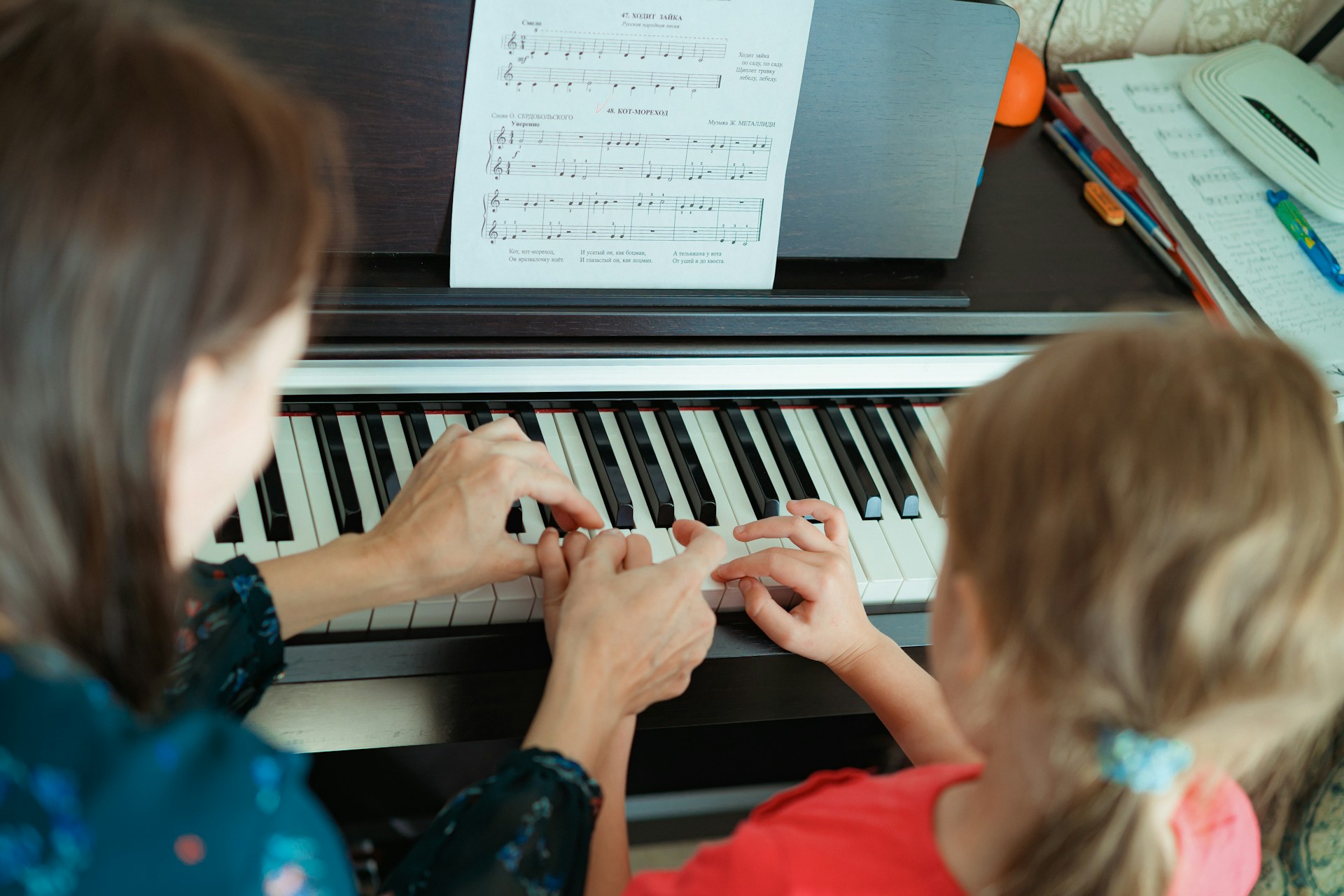
Kids in Houston do not all learn the same way, and that is a good thing. Many children are ADHD, autistic, dyslexic, anxious, gifted, twice-exceptional, or just wired a little differently. When those kids are put into very strict, traditional piano lessons, things can get frustrating fast. The right piano teacher can flip that story and turn stress and tears into pride and real joy at the keyboard.
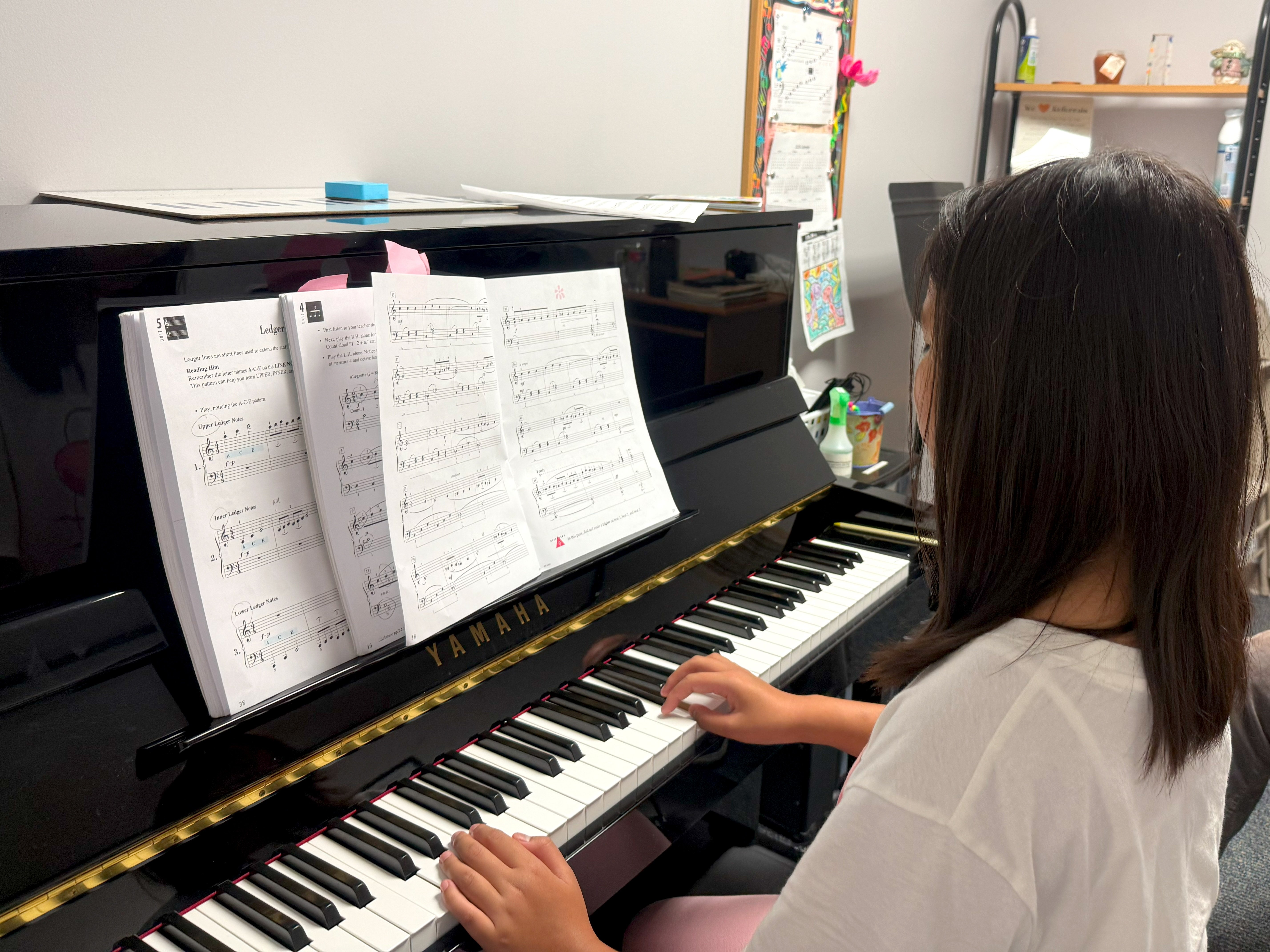
Families in Houston and Cypress now have many choices for piano teachers in Houston, but not every good pianist is ready to teach a child who learns differently. Some teachers are amazing performers but do not know how to adjust lessons for different brains. Here, we will talk about how your child learns, what to look for in a teacher, smart questions to ask, and what a supportive lesson environment can feel like, especially as back-to-school routines and fall activities ramp up in late August.
Learning differences show up in many ways, and you do not need a diagnosis to notice them. You might see signs like lots of movement and quick shifts in focus (ADHD), a strong need for routine or sensitivity to sound or touch (autism), or trouble with written symbols even when thinking and creativity are strong (dyslexia). Some kids have sensory needs where sounds feel “too loud,” tags or textures bother them, or bright lights feel harsh. Others struggle with anxiety or perfectionism and may fear mistakes or cry when something feels “too hard.” Gifted and twice-exceptional kids may show advanced thinking while still struggling with certain tasks.
At the piano, these learning differences can show up in specific, everyday ways:
Difficulty sitting still on the bench for a full lesson
Getting overwhelmed by a crowded page of music
Needing to hear a piece many times instead of reading it right away
Wanting to move, tap, or spin while they listen or think
Melting down when a song is not “perfect” on the first try
These are not bad habits. They are clues about how your child’s brain works. Many kids who learn differently also have real musical strengths, such as:
A strong ear and the ability to copy a song after hearing it
Great memory and the ability to recall patterns easily
Awesome rhythm and a love for clapping or drumming
A big imagination and an enjoyment of stories and pictures with music
The goal is not to “fix” who they are. The goal is to find piano instruction that fits their brain instead of fighting it. Before you start calling piano teachers in Houston, it helps to jot down a few notes about what helps your child succeed. Consider:
What helps your child calm down?
When do they focus best, morning or afternoon?
Do they like pictures, stories, or step-by-step directions?
What stresses them out? Loud rooms? Being rushed?
This little cheat sheet will make it much easier to explain your child’s needs and strengths to a potential teacher.
A great performer is not always a great teacher, and a great teacher for one child might be the wrong fit for another. For kids who learn differently, the teacher’s personality and mindset matter a lot. Look for someone who stays patient and calm even when your child is wiggly or worried, and who can keep things kind, lighthearted, and encouraging without shaming fidgeting or “off days.” In other words, you want a teacher who is flexible enough to change plans on the spot and steady enough to keep the lesson feeling safe.
Look for a teacher who is:
Patient and calm, even when your child is wiggly or worried
Flexible and willing to change plans on the spot
Kind and lighthearted, able to laugh off little mistakes
Encouraging, without shaming fidgeting or “off days”
It also helps when a teacher can teach in more than one style, because different brains need different entry points. Helpful teaching habits include:
Using pictures, colors, and movement, not just talking and reading
Breaking songs into very small, clear steps
Adjusting the speed of the lesson, slower or faster as needed
Mixing activities so your child is not stuck on one hard task too long
A teacher who is open to simple accommodations can make a huge difference. That might include:
Shorter activities inside a full lesson, so focus can reset
Movement breaks to stand, stretch, or march to a beat
Flexible seating, like a footstool, cushion, or even standing for a bit
Learning apps or games for note reading and rhythm
When you talk with a teacher, ask directly how they work with neurodivergent students, and ask for specific strategies rather than a vague “Oh, I am fine with that.” Locally owned music schools in the Houston and Cypress area often have several piano teachers to choose from, which can make it easier to match your child with someone whose style really fits.
Before signing up, a short phone call or trial lesson can tell you a lot. Parent-friendly questions can open up a good conversation and show you how the teacher thinks in real situations, such as when a child is dysregulated, anxious, or easily distracted. For example, you might ask:
How do you handle students who have trouble sitting still?
What happens if my child feels overwhelmed or shuts down?
How do you adapt lessons for different learning styles?
What do you do if a student is anxious about making mistakes?
You can also ask how they think about progress. Some teachers only care about reading notes line by line, while others care about broader growth and musical confidence. That wider definition of progress might include:
Playing by ear
Creating simple songs
Comfort on the keys
Small confidence wins, like finishing a short piece without giving up
Communication matters too, especially when you are trying to build consistency at home without turning practice into a daily battle. Ask how they like to communicate with parents and whether they:
Send practice notes home?
Email quick updates?
Use a notebook or online portal?
For kids with sensory needs, it can also help to ask about the schedule and setting, since the environment can make or break a lesson. You can ask whether there are:
Quieter times of day for lessons?
Ways to reduce distractions from nearby rooms?
Clear plans for transitions when the studio is busy after school and traffic is heavy?
Most of all, trust your gut. If a teacher acts annoyed about learning differences or talks about “fixing” your child instead of creatively problem-solving, it might not be the right match.
A kid-friendly, neurodiversity-aware piano lesson is calm, clear, and predictable. Instead of feeling random or high-pressure, the lesson has a structure a child can rely on, with tools that support focus and reduce overwhelm. For many kids, it helps when the teacher uses a routine, shows time clearly, and makes the ending feel positive rather than abrupt.
A supportive lesson might include:
A simple routine, like hello song, warmup, review, new song, fun game
A visual timer so your child can see how long each part lasts
Short checklists so they know what is coming next
A clear way to end, like a favorite piece or quick musical game
Teachers may also bring in practical tools to match different learning styles, especially when reading music is stressful early on or when movement helps thinking. These tools can include:
Color-coding notes or fingers
Simplified notation for early songs
Apps that give visual feedback when a note is right
Rhythm instruments to move and feel the beat
Stories or pictures to explain loud/soft, high/low, or fast/slow
At home, you can support this without turning into a full-time teacher. The key is keeping practice short and consistent, and framing it in a way that feels doable. Try:
Short, consistent practice times, even just a few minutes
Practice “sandwiched” between preferred activities, like piano, then snack, then preferred screen time
Celebrating effort, not only “perfect” songs
When the lesson and home environment both feel safe and clear, kids often gain more than musical skills. They can build self-control, focus, and confidence that carry into school and daily life, especially as they settle into new routines in late August and early fall.
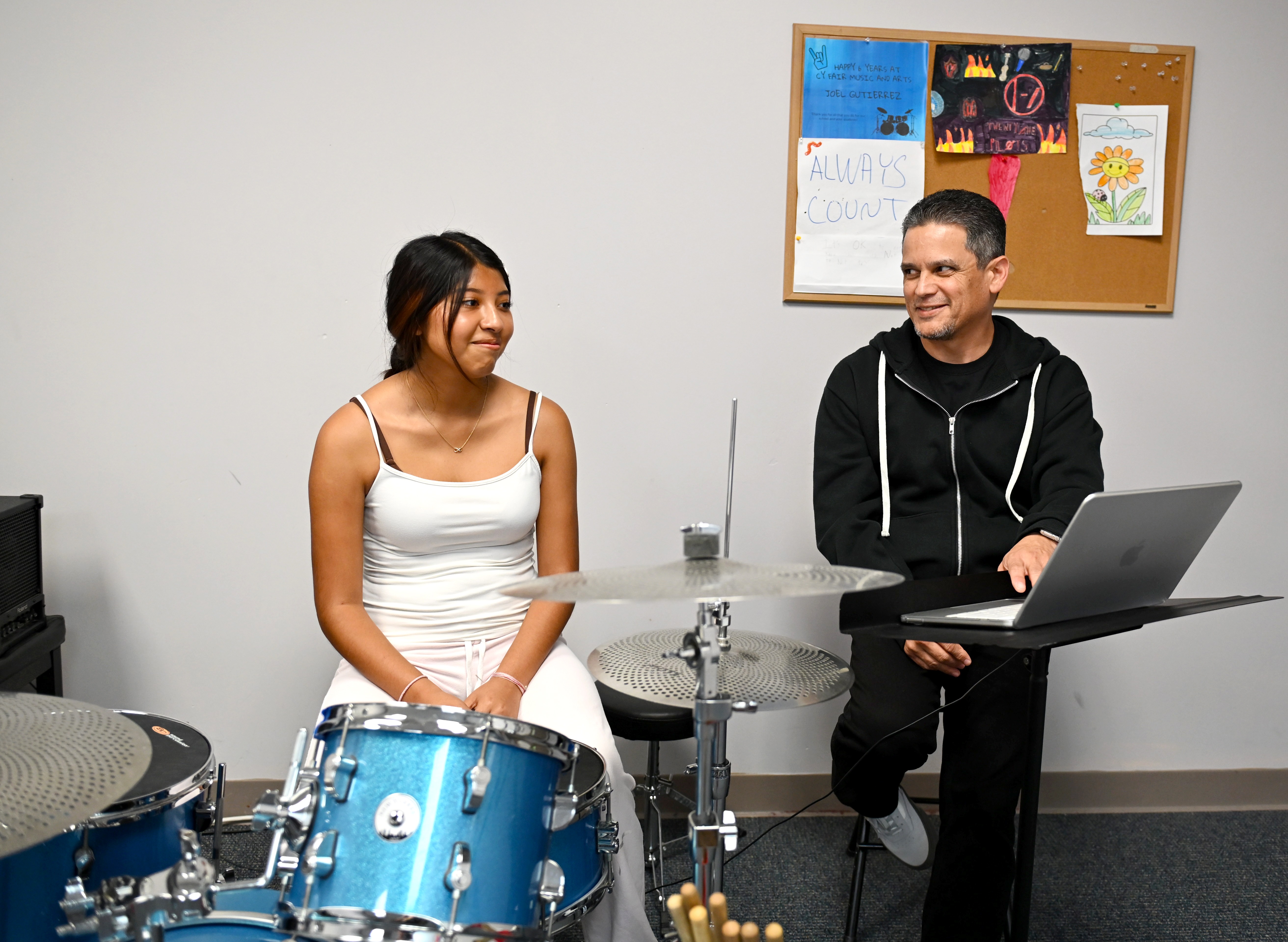
Cy-Fair Music and Arts is a locally owned fine arts school in Cypress, TX, offering piano, music, art, acting, and musical theatre instruction. Because we have a team of teachers, we can pay attention to each student’s personality, learning style, and goals and recommend a piano teacher who is more likely to click with your child.
Families often appreciate flexible options like after-school and early evening lesson times, as well as the ability to schedule siblings close together. Some kids enjoy trying both piano and other creative classes, which can be a great outlet for big feelings and busy minds.
Our focus is on customized instruction. That can mean adjusting the pace, choosing music that fits your child’s age and interests, or offering performance opportunities that feel safe and supportive rather than scary. Many parents ask us directly for instructors who have experience with ADHD, autism, anxiety, or other learning differences, and we welcome those conversations so we can help kids who learn differently find their place at the piano.
If you are ready to help your child grow musically and build lasting confidence, our experienced piano teachers in Houston are here to guide them. At Cy-Fair Music and Arts, we create a welcoming, structured environment where students can progress at a pace that fits their goals. Reach out today so we can help you choose the right teacher and schedule for your family’s needs.
1 min read
A property tax auction can surprise people who didn’t even know their home was at risk. It often starts with just one missed tax payment, and before...
1 min read
Harmony at Home: Helping Siblings Share Lessons Sharing music lessons in Houston can be a great bonding experience for siblings, but it can also...