1 min read
How Art Camps Help Kids Build Social Skills During Spring Break
Spring break brings a much-needed pause from school routines. Kids get a short window to try something new, make friends, and have some fun outside...
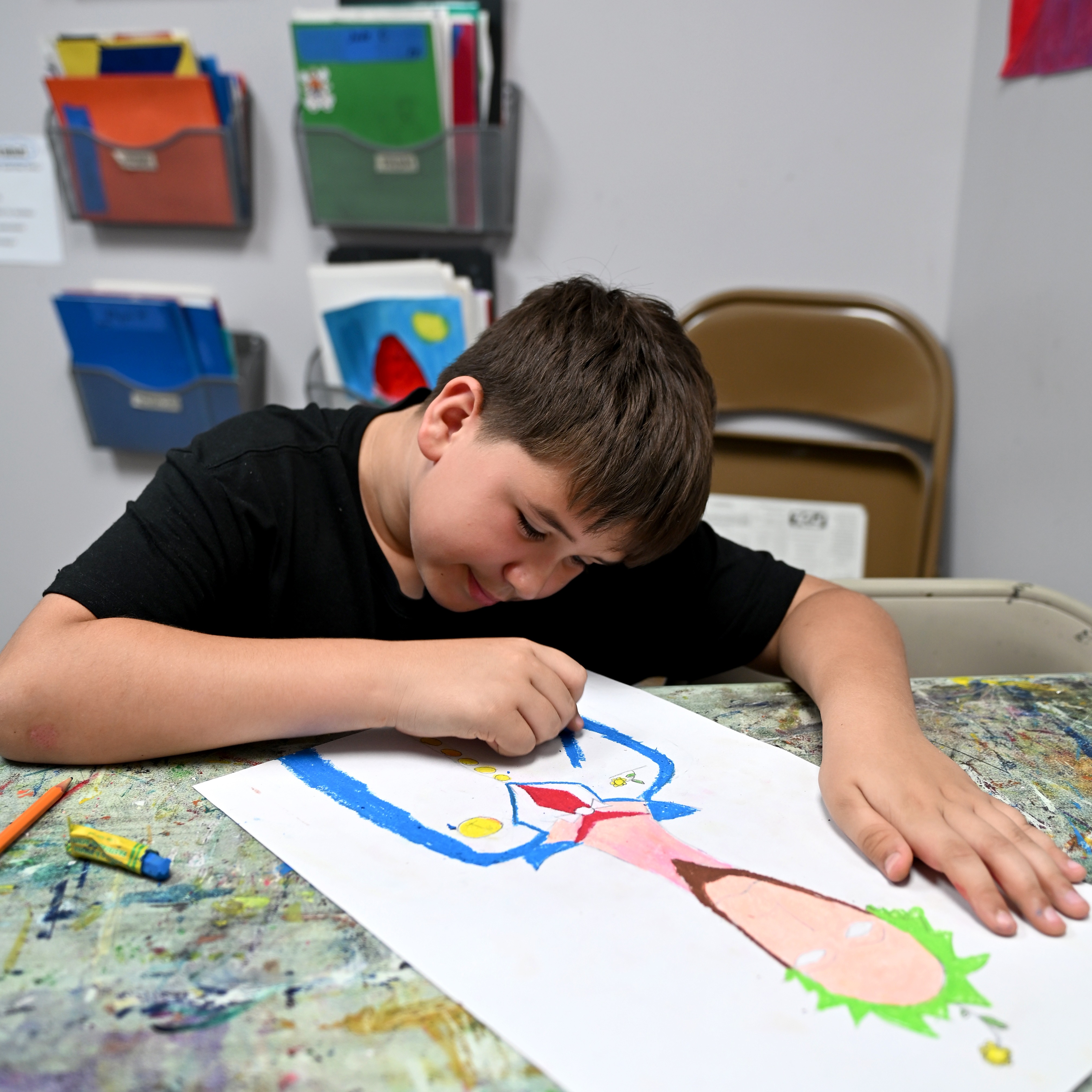
Art class is about much more than making a pretty picture. When kids spend time creating, they are growing their confidence, focus, and problem-solving skills in ways that surprise many parents. The artwork that comes home is nice, but the real change often shows up in how they act, think, and feel.
As kids in Houston and Cypress get settled into new school routines, fall is a smart time to add something meaningful to their week. Art classes in Houston can balance out homework and screen time with hands-on creativity and calm. At our studio, we see shy kids open up, energetic kids learn to focus, and all kinds of kids start to believe in themselves in new ways. That is what we want to share with you here.
Think about a child who comes home from school feeling drained or unsure of themself. Then that same child walks into an art room, picks up a paintbrush, and slowly starts to relax. Little by little, they try new ideas, make choices, and see those choices turn into something real.
In art class, kids learn to:
Fall is a natural reset for families. New teachers, new schedules, new goals. Adding art to that mix can give kids a weekly space that is just for them, where grades do not matter and effort counts more than perfection. In our Cypress studio, we see every day how art skills spill over into real life, helping kids feel more ready for whatever school throws their way.
Art class is a gentle way for kids to practice bravery. They try clay when they have only used crayons before. They test a new brush, mix colors, and draw something they have never drawn. There is no single "right" answer, which takes a lot of pressure off.
That kind of practice teaches kids:
Finishing a piece, even a small one, is powerful. When a child steps back and says, "I made that," something shifts inside. They start to believe they can finish other hard things too, like long reading assignments or a tricky math page.
Supportive teachers make a big difference here. When an art teacher gives specific feedback, like "I love how you tried three different ways to draw that hand," quiet or perfectionist kids often start to relax. Over time, that new confidence can look like raising a hand more in class, sharing a story, or even trying out for a school club they would have skipped before.
Art is like a gym for the brain. Kids plan, test, fix, and rethink. Maybe the paint drips, the clay cracks, or the marker bleeds through the page. In art class, that is not a failure; it is an invitation to try again.
This kind of thinking helps kids:
Art also connects naturally to school subjects. When kids draw shapes, patterns, and symmetry, they build math thinking. When they tell the story behind their picture, they practice language skills and sequencing. When they observe light, shadow, and texture, they are using the same careful watching that helps in science.
That habit of creative thinking follows them home. It might show up when they break a toy and figure out a way to fix it, or when a group project at school gets off track and they suggest a new plan. Art helps kids learn that there is almost never only one solution.
In a world full of screens and constant noise, art invites kids to slow down. They learn to follow steps, from sketch to color to final details. They practice staying with a project even when it takes more than one class to finish.
Along the way, kids build:
Art can also be a healthy outlet during the busy fall and holiday seasons. A child who is worried about tests, activities, or changes at home can put those feelings into color and shape. Drawing angry lines, painting calm waves, or building something powerful out of clay can all help kids process emotions without needing the perfect words.
For kids who struggle with anxiety, attention, or big feelings in traditional classrooms, art time can feel like a safe break. The hands-on work, the clear steps, and the supportive environment give them practice with self-control that can carry over into school and home life.
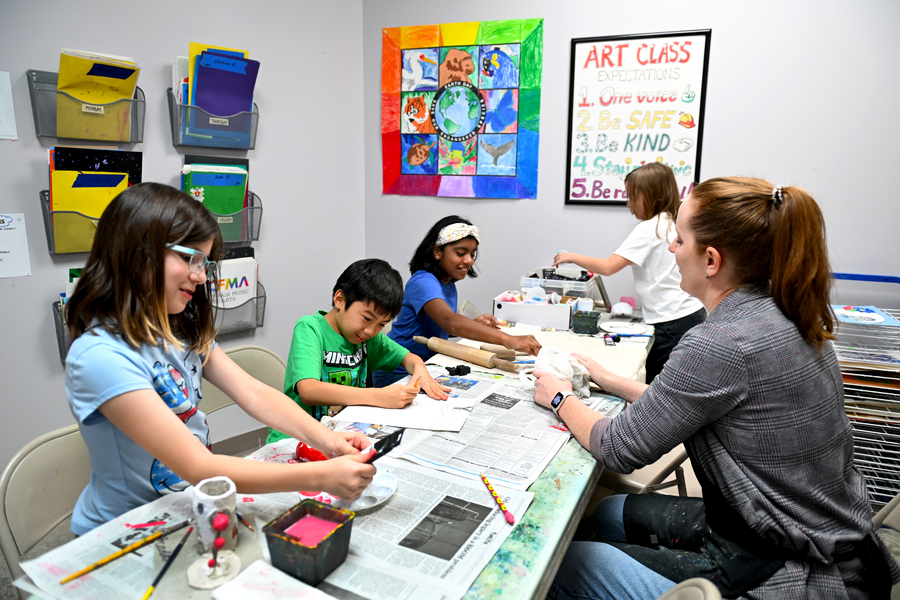
Art may seem like a solo activity, but in a studio, it is also very social. Kids chat while they paint, peek at each other's projects, and cheer when someone finishes a piece they worked hard on. It is a relaxed way to meet new friends outside their usual school circles.
Group projects add another layer. When kids help with a mural, themed display, or seasonal showcase, they learn:
They also get practice with feedback. Hearing, "I like how you used that bright color" or "What if you moved this part over here?" teaches them to give and receive comments without taking it personally. That skill is huge later on in group work, sports, and even future jobs.
During fall and winter, studios often have more group activities and displays. Being part of a creative community helps kids feel like they belong to something bigger than themselves, which can be especially comforting during busy, high-pressure times of the year.
A neighborhood program can offer something that one-time workshops cannot: steady relationships. When kids see the same teachers week after week, those teachers really get to know each child’s style, strengths, and goals. They learn who loves tiny details, who goes bold with color, and who needs a little extra encouragement to try new things.
At Cy-Fair Music and Arts, we design art instruction by age and level, so young beginners and serious teens both feel challenged but not overwhelmed. Because we are a fine arts school, kids can also explore music, acting, and musical theatre in the same place. That mix lets them discover new sides of themselves, and skills from one area often support growth in another.
For Houston and Cypress families, convenience matters too. As school, sports, and holiday events fill the calendar, having classes that fit your routine makes it much easier to keep art in your child’s life. A regular creative space can be the steady, healthy rhythm that keeps everything else feeling a little more balanced.
If you are ready to help your child grow in confidence, creativity, and problem-solving, we invite you to explore our art classes in Houston. At Cy-Fair Music and Arts, we keep class sizes small so our teachers can give each student the attention they need. Take the next step by choosing a class that fits your schedule, and we will handle the rest so your child can start creating with confidence.
1 min read
Spring break brings a much-needed pause from school routines. Kids get a short window to try something new, make friends, and have some fun outside...
1 min read
Avoid First-Time Art Class Frustrations Starting art classes for kids can feel exciting and a little stressful at the same time. You want your child...
1 min read
Discover Your Best Stage: Acting or Musical Theatre Choosing between acting classes and musical theatre can feel like a big decision, especially when...