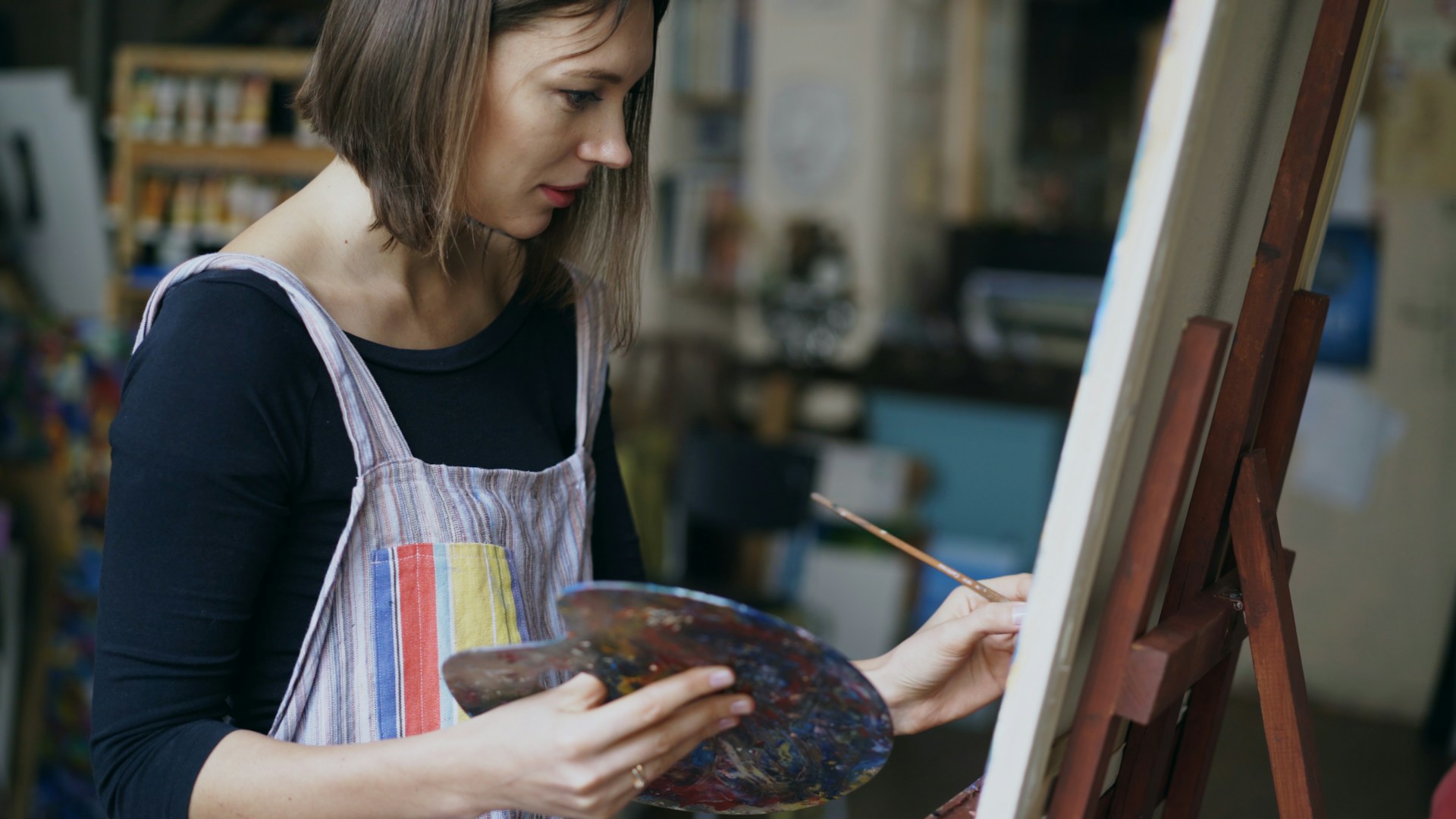
Every child expresses creativity in a different way. Some love to sketch detailed outlines while others gravitate toward bold swashes of color. Deciding between drawing and painting for your child can feel like guessing what they will enjoy most, but there are a few helpful signs that can point you in the right direction. As you look into art classes for kids, it is good to know what to watch for so your child not only learns but has fun doing it.
In this post, we will walk through some child-friendly clues to help you decide if drawing or painting would be the better starting point. There is no wrong answer, just different experiences that help shape your child’s confidence, skills, and creativity.
How Age and Development Play a Role
Age can shape what your child enjoys and how they approach art in general. The coordination and patience needed for drawing or painting are different, and recognizing how ready your child is can help avoid frustration and make learning more fun.
Here are a few ways age and development can guide your choice:
- Younger kids often enjoy painting because it is more about movement and color than detail. The experience of dipping a brush in paint, moving it across a big sheet of paper, or even using their fingers can feel calming and exciting at the same time.
- Drawing tends to appeal more to kids who are curious about working in smaller spaces or creating specific shapes. If your child likes to control what they draw with more precision or stick to outlines, this might be a better fit.
- Attention span also plays a part. Painting usually offers quicker results, which works well for kids who prefer seeing progress right away. Drawing may ask for a bit more time and focus, especially when working on detailed pieces.
There is no need to rush. Whether they are four or fourteen, kids can develop an interest in either approach, but how they play and use their hands can tell you where to begin.
Noticing Your Child’s Natural Preferences
Sometimes, the answer sits right on your kitchen table. The supplies your child reaches for, the way they doodle, and the kinds of projects they get excited about often show what they enjoy most.
Take a look at what comes naturally to them by watching these patterns:
- Do they stay busy with coloring books, shape tracing, or sketching characters from their favorite shows? These are signs that drawing holds their attention.
- If they love putting color on paper with big motions and choosing bold combinations, painting may feel more fun to them.
- There may be back-and-forth, and that is perfectly normal. One day they are sketching with colored pencils, the next they are finger painting with joy. That is part of the discovery process.
Let their creativity lead the way. By noticing what materials they stick with most and pay the longest attention to, you get honest clues about which option might make art more enjoyable for them.
How Environment and Materials Can Influence Interest
Where and when your child creates art matters, especially during the winter months. In Houston, January often brings cooler days when kids are indoors more often. This makes it the perfect season to try new hands-on activities like drawing and painting that channel their energy differently.
Here are a few things to think about while setting up their space:
- A quiet indoor environment makes a big difference. Drawing may need more focus, while painting might invite more movement and mess. Having the right space for each can change how much they enjoy it.
- Providing a mix of tools helps your child try both before leaning into one. Watercolors, ink, pastels, or sketch pads can open up new interests. Sometimes it is not the activity itself but the materials that make it click.
- Kids feel safe to experiment when they do not feel pressure to produce something perfect. That safety grows when they have time, space, and supplies geared to their comfort level.
Try not to limit your child to one format too quickly. A supportive setup may be all it takes for them to enjoy something they once did not show much interest in.
What Structured Art Classes Can Offer
Professional guidance can make a big difference in helping kids grow their interest in either drawing or painting. Having a space outside the home where they can explore both options with others their age often builds confidence and joy in trying new things.
Here is what structured art classes can add to their experience:
- New techniques and tools. Kids are often introduced to materials they would not use at home, like charcoal, oil pastels, or mixed media. This variety keeps things fresh and exciting.
- Social learning. Group settings let kids see what others are doing and try new ideas without pressure. That kind of shared creativity can naturally lead them toward drawing or painting depending on what feels most rewarding.
- Time to decide. Some art classes for kids in Houston let students explore multiple formats before picking a focus. That breathing room helps parents avoid feeling rushed into a choice too early.
At Cy-Fair Music and Arts in Houston, art classes are age-appropriate for students ages 4 through 14, and each 60-minute class gives them time to settle in and experiment. Kids can try drawing, painting, mixed media, and cartooning projects, which makes it easier to notice what really captures their interest.
Where your child starts does not always reflect where they will end up. Sometimes the best thing you can do is give them access to both in a low-pressure environment that lets their interests grow naturally.
What to Remember as You Choose
There is no perfect path when it comes to art, especially for kids. Whether they start with drawing or painting, they are learning to express themselves in new ways. Small signs can help guide your decision, but their interest may shift over time and that is okay.
Try to stay flexible and open. Each new tool or experience gives your child another chance to feel successful and proud of what they have made. Supporting that kind of growth, no matter which medium they choose, sets the stage for a lifelong love of creativity.
Seeing your child's growing interest in creative expression is a great sign to introduce them to something structured and fun. At Cy-Fair Music and Arts, we provide a welcoming space where kids can build skills, experiment with different materials, and feel proud of their creations. Our classes offer a useful starting point for families deciding between painting and drawing. You can learn more about our art classes for kids and what to expect in the classroom when you reach out to us to take the next step in your child's creative journey.