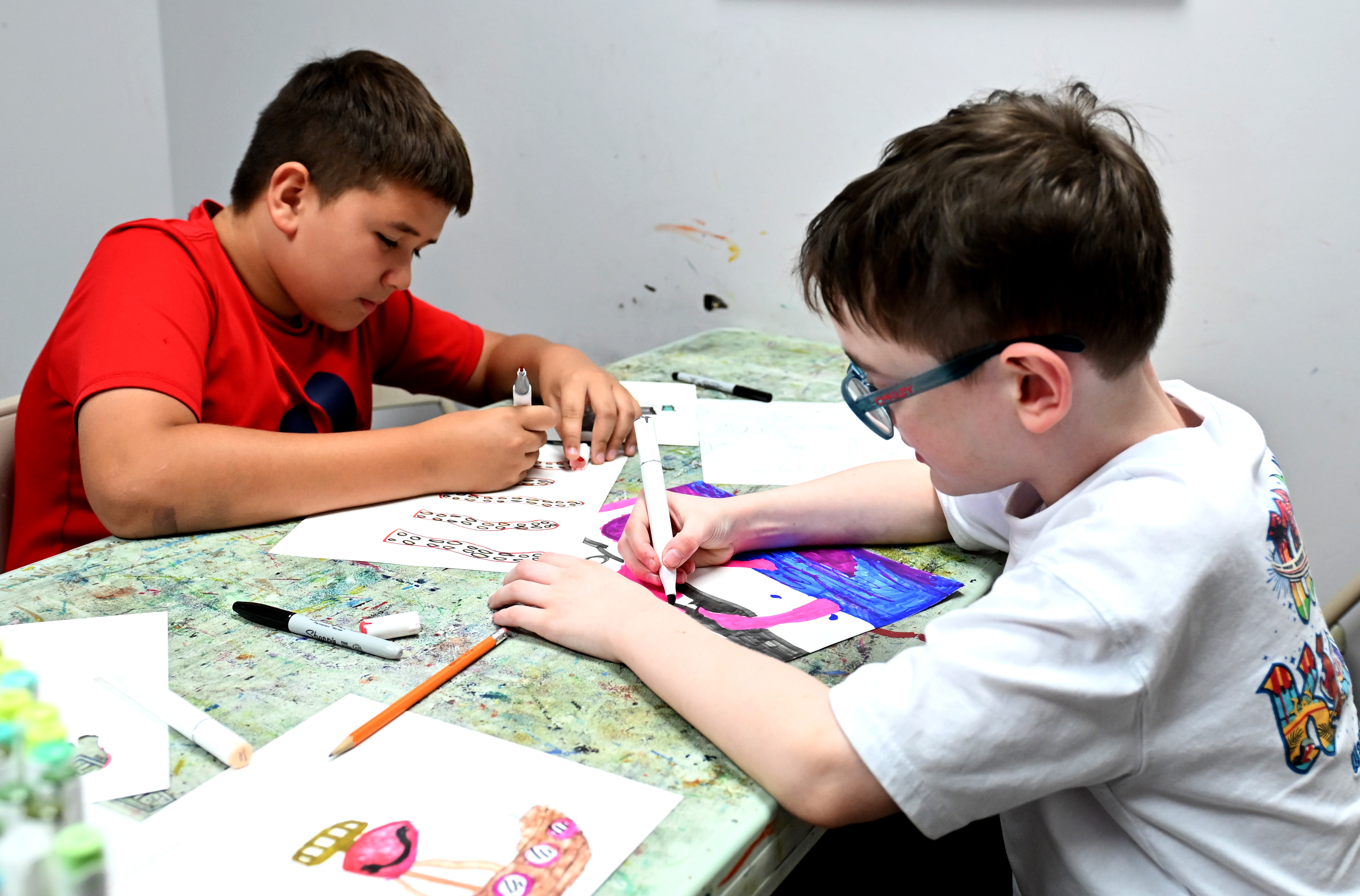
What Drawing Classes in Houston Look Like for Absolute Beginners
See what to expect from drawing classes in Houston for absolute beginners, with tips on supplies, class flow, and learning at your pace.
Many Houston parents sign their kids up for drawing classes just for fun. It feels like a nice break from homework, sports, and screens. Then a few weeks go by, and something unexpected happens. Kids start sitting longer with schoolwork, handling frustration better, and coming home proud of what they made.
That is the quiet power of drawing classes in Houston. The pencil and paper are important, but the real growth goes far beyond the sketchbook. Kids build skills they use in school, with friends, and even in the way they handle stress. For busy Northwest Houston families, especially in Cypress, it is one of the few activities that feels both fun and deeply meaningful.
In our art rooms, we see hidden benefits all the time. Drawing can support emotional regulation, problem-solving, academic growth, social confidence, and long-term creativity. When parents understand this, art class stops being “just an activity” and starts to feel like an investment in who their child is becoming.
Kids are pulled in a thousand directions. Short videos, constant notifications, and fast-paced schedules can make it hard for them to pay attention to anything for very long. A 60-minute drawing class cuts through that noise. For that one hour, the only goals are to look closely, move slowly, and keep going.
In drawing, kids learn to:
Observe details for more than a few seconds
Stick with a project from start to finish
Pause, breathe, and try again when something feels hard
When a student draws, they often start with a light sketch, notice what looks off, and erase. At first, this can be frustrating. Over time, they learn that mistakes are not disasters; they are clues. That is a growth mindset in action. The message becomes, “I can fix this,” instead of, “I am bad at this.”
That same mindset shows up later when:
Homework takes longer than expected
A math problem is confusing the first time around
A big test feels scary and overwhelming
Drawing class also gives kids something many of them are missing: calm, screen-free time. In the middle of the busy Houston school year and holiday events, that weekly art class can feel like a reset for their nervous system. Pencil on paper, quiet background music, a teacher who is not rushing them, and a group of kids all focused on creating can be deeply calming.
Kids do not always have the words for what they feel, but they often show it in their art. A drawing can be happy, intense, dark, playful, or full of tiny details that reveal what is on their mind. In regular school classes, there is not always time or space for this kind of expression. In drawing class, it is welcome.
Art can act like a safe release valve. When kids are feeling:
Anxious about grades or friendships
Excited about the holidays
Overwhelmed by schedules and expectations
they can pour that energy into lines, shapes, and colors. They may draw busy scenes, bold characters, or peaceful nature. They get to decide what their inner world looks like on the page.
There is also a quiet confidence that comes when an instructor really sees their work. When a teacher points to a careful shadow, an interesting idea, or a brave use of color and says, “That part is really strong,” kids light up. They feel noticed for who they are, not just for how fast they run or how high they score.
This often carries over into home life. Parents who look closely at their child’s art may find easier ways to start big conversations. You might ask:
“Tell me about this character. What are they feeling?”
“I see a lot of strong lines here, were you feeling intense when you drew this?”
“This scene looks peaceful, is this a place you wish you could go?”
Those gentle questions can open up real talks about school, friendships, and feelings that might not come out in simple yes-or-no answers.
Drawing supports creative expression, but it is also full of thinking skills kids use every day in academic work. When children break an object into circles, lines, and angles, they are practicing visual thinking. They learn to see patterns and shapes, which are key skills in math and science.
Drawing helps with:
Spatial reasoning, like judging size and distance
Pattern recognition, like seeing what repeats and what changes
Comparing parts to a whole, important in both fractions and diagrams
Planning a drawing from start to finish is another hidden benefit. Kids often move through steps like:
Brainstorming ideas
Sketching rough shapes
Adjusting layout and proportions
Adding detail and shading
Cleaning up and finishing
Those same steps show up in writing essays, solving word problems, or working on science projects. They learn to plan, test, adjust, and complete, instead of rushing or giving up halfway.
Over time, these skills can support interest in fields like architecture, engineering, graphic design, and medical illustration. When kids learn to observe carefully, think in 2D and 3D, and balance precision with creativity, they build a base that can connect to many future paths, not just art.
Not every child wants to be on a stage or in a loud competition. Some kids are quieter. They open up slowly, especially in big, high-energy groups. Drawing classes in Houston can be a great fit for these kids, because they offer gentle, low-pressure social time.
In an art room, social moments happen naturally, like when kids:
Share colored pencils or markers
Trade ideas or ask, “How did you do that texture?”
Give simple compliments like, “I like your drawing”
There is no spotlight on one child. The focus is on the work in front of them. With guidance from an instructor, students also learn how to give and receive feedback. They might share what they like about a piece and one suggestion to try. They learn that feedback is about growth, not judgment.
For kids who feel out of place in sports or high-intensity activities, art class can be where they finally find “their people.” Being around others who enjoy quiet creativity can help them feel seen and understood, which boosts social confidence far beyond the classroom.
As the holiday season approaches in Houston, schedules often change. There are school breaks, family visits, and more time at home. The days can feel long, and screens can easily take over. This is a great time to bring in something positive and structured that still feels fun.
Starting drawing classes in Houston during this season helps kids:
Have a weekly anchor during a busy time of year
Practice focus and patience before heading into spring
Build healthy, creative habits instead of adding more screen time
When kids enter the new semester with fresh art skills, they often carry new confidence into everything else they do. They know they can focus for longer, stay calm with hard tasks, and express themselves in more than one way. That is the hidden gift of drawing, and it lasts much longer than any single picture.
If your child is ready to build real skills with a pencil and sketchbook, we are here to guide every step. At Cy-Fair Music and Arts, our instructors turn curiosity into confidence through structured, age-appropriate projects that make learning fun and achievable. Explore our drawing classes in Houston and reserve a spot so your young artist can start creating work they are proud to share. Reach out with any questions and we will help you choose the best class for their goals.
See what to expect from drawing classes in Houston for absolute beginners, with tips on supplies, class flow, and learning at your pace.
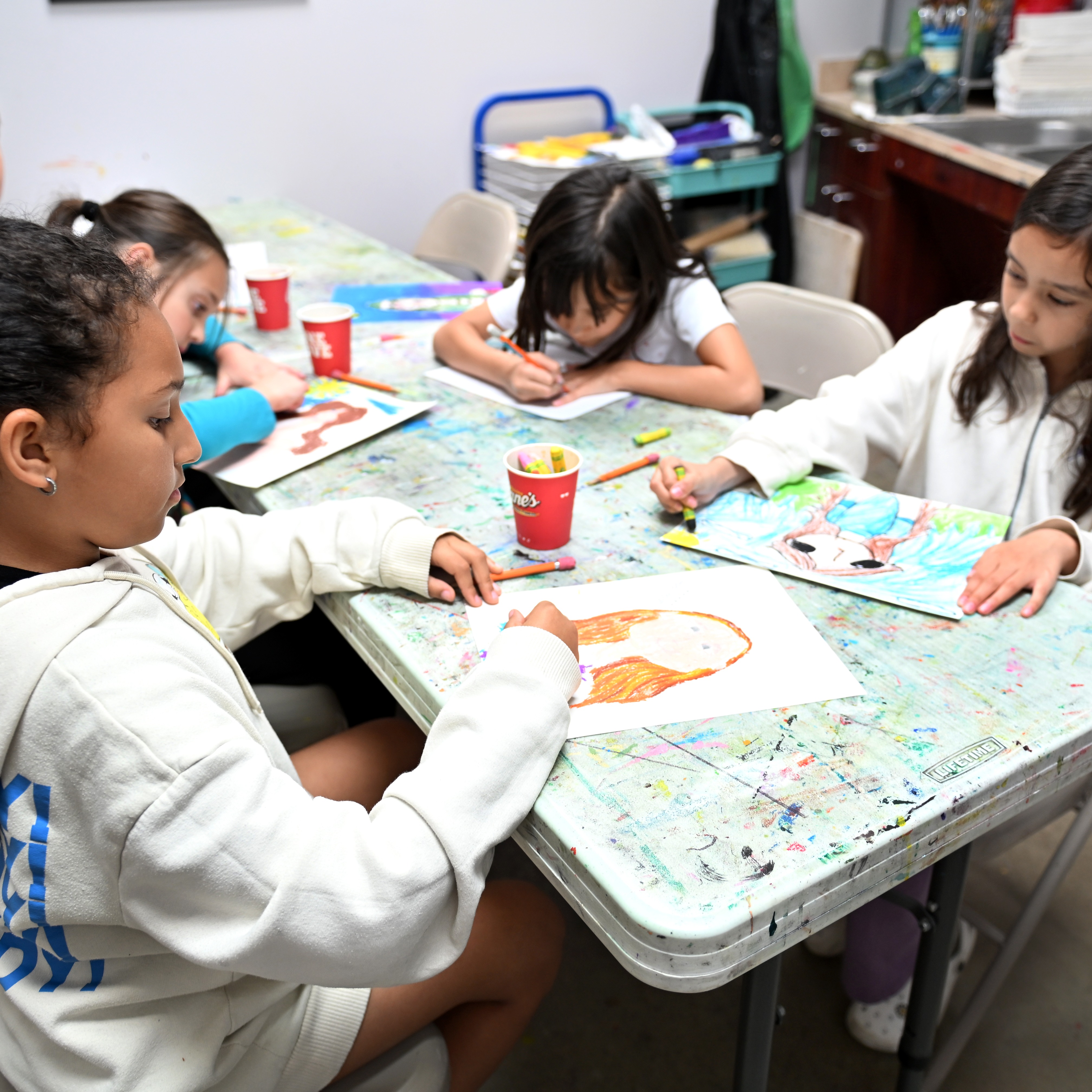
Discover confidence, focus, and creativity gains from drawing classes in Houston, plus tips for choosing the right class for your teen.
Try art workshops in Houston designed for adults getting back into drawing or painting, with supportive instruction and a welcoming studio setting