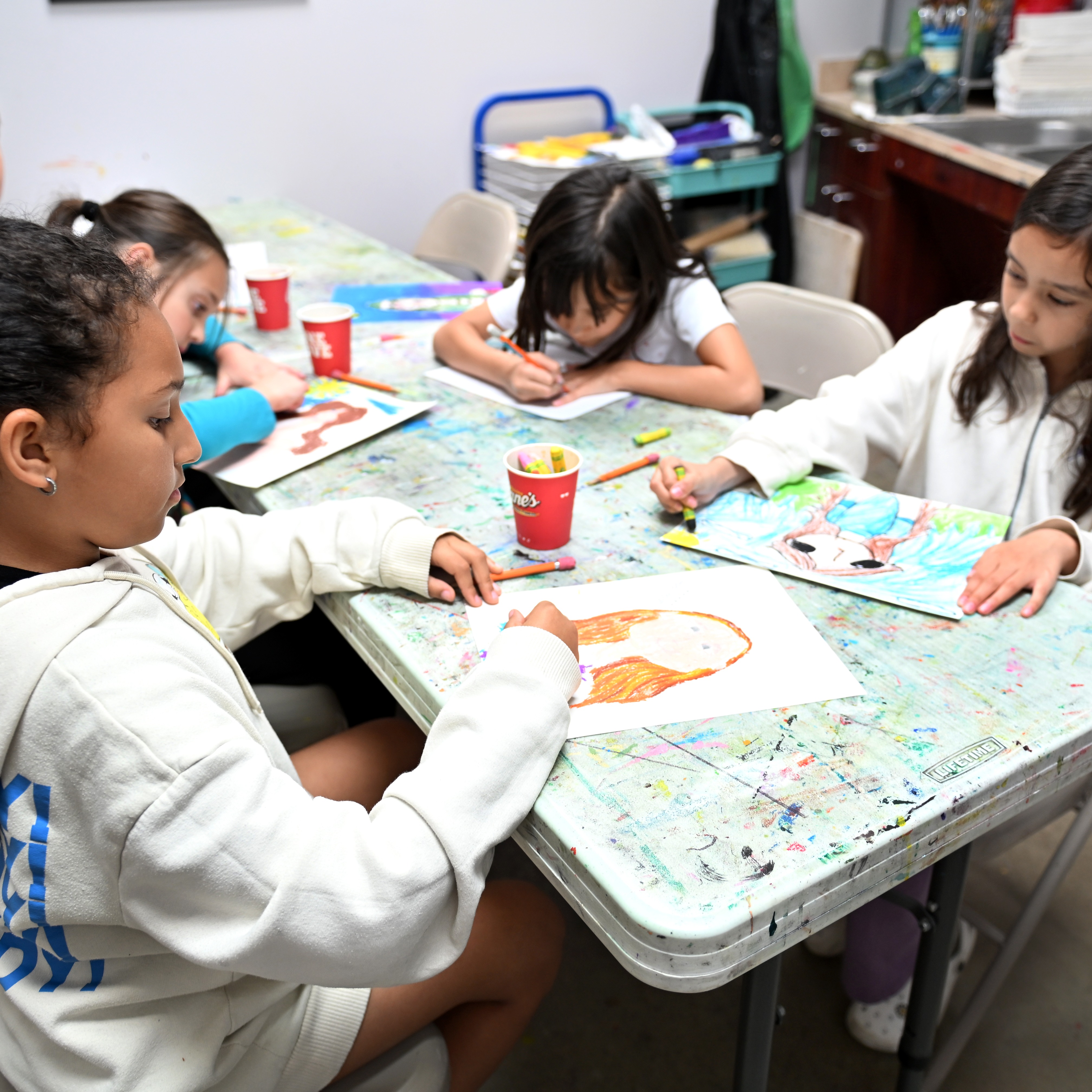
What Drawing Classes in Houston Look Like for Absolute Beginners
See what to expect from drawing classes in Houston for absolute beginners, with tips on supplies, class flow, and learning at your pace.
If your student plays cello in a school orchestra, you probably want to see more than just passing grades and basic notes. You want him or her to feel proud on stage, sound strong in the section, and walk into chair tests without that nervous knot in his or her stomach. That is where, focused cello lessons in Houston can make a big difference.
Many orchestra students feel stuck after a while. They play the same warm-ups, sit in a big section where it is hard to hear themselves, and only get a few quick comments from the director. With private lessons, they get the time and space to fix tricky spots, improve tone, and grow into more confident players. In this article, we will talk about how private lessons work alongside school orchestra, how to choose the right teacher, smart practice ideas, and how to use the holiday and spring seasons to get ahead instead of falling behind.
School orchestra gives students something really special. They learn how to listen across the group, follow a conductor, and blend with other players. They get to perform in concerts, make friends, and be part of something bigger than themselves. Those are powerful skills that matter far beyond the music room.
But school orchestra has limits, and none of them are the director’s fault. There are just too many students and not enough minutes in a class period. That usually means:
Very little one-on-one feedback
Only quick fixes on the most obvious problems
Group pacing that may feel too fast for some and too slow for others
In this setting, it is easy for things like bow hold problems or tense shoulders to slip by. Intonation issues, shifting shortcuts, and lazy posture can turn into long-term habits. These habits might not be obvious at first, but they show up in chair tests, region auditions, UIL, and solo contests.
This is where private cello lessons fill the gap. A good teacher can:
Watch your student’s technique from every angle
Give custom warm-ups that match his or her current level
Spend focused time on intonation, vibrato, shifting, and reading new music
All of these skills translate straight back into the orchestra room. Stronger technique usually means better chair placement, more secure playing, and more fun in rehearsal.
Private teachers do not replace school orchestra. They make it easier and more rewarding. One of the biggest wins is when a teacher looks at the student’s orchestra music and breaks it into clear, bite-sized pieces.
In a lesson, a teacher can:
Mark smart fingerings and bowings that work for that student’s hand size and level
Slow down hard passages so the student can hear and fix each note
Practice rhythm clapping and counting, so the music feels steady and clear
Beyond current orchestra pieces, lessons are a place to build long-term skills that do not always fit into class time. This includes:
Scales and arpeggios that make shifting and intonation feel natural
Bow control exercises so the sound is richer, not scratchy or weak
Vibrato practice that is relaxed and musical, not shaky or tight
Sight-reading new music, which is huge for region and youth orchestra auditions
When students get this kind of support, they walk into rehearsals with a totally different mindset. Instead of hoping they will not get called out, they know they can handle the music in front of them. That confidence often leads to stronger seating, section leadership chances, and an orchestra section that sounds more polished overall.
Not every great cellist is a great teacher, and not every great teacher is the right fit for your student. When you look for cello lessons in Houston, it helps to keep a few things in mind.
Helpful traits to look for include:
Experience working with school orchestra cellists of different levels
Familiarity with local expectations, like Cy-Fair ISD and nearby districts
A teaching style that is encouraging and age-appropriate
The ability to balance honest feedback with positive support
Practical details also matter. For busy families in northwest Houston and Cypress, location and scheduling can be the difference between steady progress and constant stress. Lessons that are close to home and flexible around school, sports, theatre, and holiday events are much easier to maintain all year long.
At Cy-Fair Music and Arts, we pay close attention to how we pair students and teachers. We consider:
Age and experience level
Personality and learning style
Short-term goals like chair tests or region auditions
Long-term goals like college auditions or simply feeling more comfortable in class
This kind of matching helps students feel known and supported, not just like another name on a lesson list.
Many orchestra students are involved in a lot of activities, so long daily practice is not realistic. That is okay. Short, focused practice usually beats random marathon sessions the night before a chair test.
A simple, realistic practice plan could look like this:
15 to 30 minutes most days of the week
A quick stretch, then a few minutes of scales or warm-ups
One or two focused technique drills
Targeted time on school orchestra music
A few minutes on a “fun” piece or something the student chooses
For content, think about:
Warm-ups and scales to build hand shape and bow control
Technique drills for shifting, string crossings, and vibrato
School orchestra pieces, one tricky section at a time
A piece from lessons that excites the student, to keep motivation strong
The holiday season is actually a great time to reset practice habits. School days can still be full, but Thanksgiving break, winter break, and lighter weeks around concerts often leave small pockets of extra time. Students can use those days to:
Clean up UIL or festival music before rehearsals get intense
Start new techniques in lessons, like early vibrato or higher position shifts
Review old pieces to feel successful and see how far they have come
This steady, thoughtful practice adds up and makes each school semester feel smoother.
School orchestra is a strong starting point. It gives students structure, community, and regular chances to perform. Private cello lessons act like an accelerator that keeps that foundation from getting flat or boring. With the right support, students do not just “get through” orchestra; they grow into real musicians who enjoy what they do.
As the holiday season blends into the spring semester, it is a natural time to think about where your student is headed. Some families use this period to set new goals, like aiming for a higher chair, auditioning for region groups, or simply feeling more relaxed on stage. Cello lessons in Houston, paired with a solid school orchestra program, can turn those goals into clear steps that feel reachable instead of overwhelming.
If you are ready to help your child grow musically with expert, supportive instruction, our teachers at Cy-Fair Music and Arts are here to guide every step. Explore our cello lessons in Houston to find a convenient schedule and a lesson plan tailored to your goals. We will answer your questions, match you with the right instructor, and make getting started simple. Let’s turn your interest in the cello into steady progress and genuine confidence.
See what to expect from drawing classes in Houston for absolute beginners, with tips on supplies, class flow, and learning at your pace.
Spring offers a calm, fun time to begin violin lessons in Houston with supportive teaching and routines that carry into a musical summer.

Discover surprising ways drawing boosts focus, confidence, and creativity for kids and teens with drawing classes in Houston at a local arts academy...