Steps to Overcome Shyness Through Acting Classes in Houston

Written By CFMA
January 25, 2026

Some kids are naturally outgoing. Others need a little extra help finding their voice, especially when it comes to speaking in front of a group. Feeling shy is completely normal, but it can hold a child back from fully expressing who they are. That’s where acting in Houston plays a helpful role. Through games, guided scenes, and group activities, acting helps shy kids open up in ways that feel fun, not forced.Starting something new during winter makes sense. In Houston, the cooler temperatures give families a break from outdoor commitments. With less going on outside, it's a good time for kids to start indoor activities like acting. The environment is relaxed, and the routines are easy to settle into. That kind of consistency matters when someone is learning to feel more confident.

Getting Comfortable in a New Setting

Joining any new class can be a little scary at first. That’s why a welcoming environment matters so much. Acting classes are set up to feel calm and safe, giving kids time to adjust and feel comfortable. Nobody is expected to start performing on day one.

Most acting programs begin with light warm-ups or simple movement games that help ease nerves. Instead of jumping right into scripts, we focus on helping kids get used to being around others without worry. These activities don’t feel like “training.” They just feel like fun.

Our teachers pay close attention to how each child reacts during those first few minutes. Some jump right in. Others take their time. Either way is okay. Being in a space that doesn't push too hard helps shy students relax and start participating at their own pace.

Learning to Use Voice and Expression

Shy kids often feel nervous about speaking in front of others. Acting helps with this little by little. Through playful prompts and character work, students begin to raise their voices with more purpose and control.

Actors get to use their whole body when they practice. That includes voice, facial expressions, and physical movement. When we blend all three, kids start to feel more in control of how they show emotions. At first, it might be saying just one word in a silly way. A few classes later, they’re reading lines with energy and meaning.

Here’s what helps students get better over time:

  • Repeating fun voice games that focus on volume, pitch, or rhythm
  • Acting out simple scenes with clear feelings like happy or surprised
  • Using movement and gestures to match the mood of a character

Each of these activities adds another layer of confidence. Students don’t have to explain how they feel, they show it through action, which can be easier for someone who’s shy.

Working Together and Building Trust

Part of learning to speak up is knowing that others are doing the same thing. That’s why group work matters so much. When students practice in pairs or small groups, they learn how to listen, take turns, and support one another.

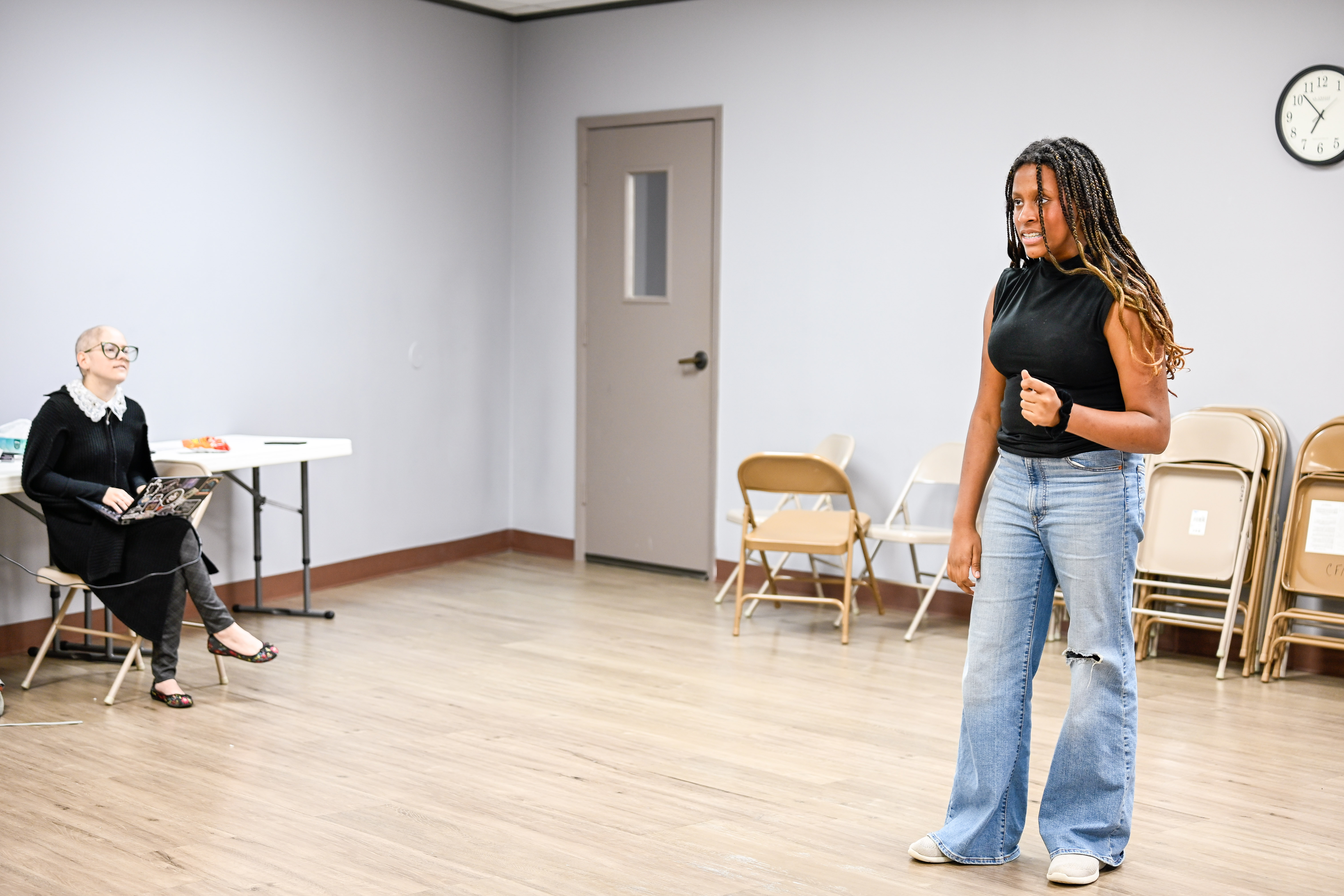
Acting in Houston offers lots of opportunities for collaboration. Group scenes, partner games, or class-wide activities give kids a chance to develop trust with their classmates. No one is standing in front of the class alone. The focus is on working as a team to create a scene or solve a challenge.

We’ve noticed that as students connect with one another, their comfort level rises. They start cheering each other on or laughing during warm-ups, which makes it easier to try new things. That sense of belonging lowers stress and lets them take healthy risks, like reading a line out loud or making a goofy face on purpose.

Handling Stage Fright in Small Steps

Stage fright doesn’t vanish right away, but it can shrink with practice. The key is breaking things into small, manageable steps. We never start with a performance. Instead, we build familiarity through short scenes and fun repetition.

Here’s how we help students move past fear in a gentle way:

  • Practice in small groups where no one feels singled out
  • Repeat basic lines or actions until they feel natural
  • Let students watch first if they aren’t sure about joining in

Our approach focuses on comfort. Progress doesn’t always mean performing in front of a crowd. Sometimes it just means feeling safe enough to read aloud without freezing up. That makes a big difference in the long run.

Encouragement plays a part, too. When students hear a classmate say, “Good job,” it helps more than any scripted reaction. Support from peers, especially those who may have felt shy once too, can be very motivating.

Confidence That Goes Beyond the Stage

Something happens after kids start feeling more at ease in class. That boldness starts showing up in other places. A student who once avoided eye contact may now share ideas during group projects. Someone who barely spoke above a whisper might ask a question at the dinner table.

We see changes in how students carry themselves:

  • They walk into class with their heads higher than before
  • They speak more clearly and with better volume
  • They smile more, especially during partner activities

The confidence built on stage doesn’t stay in class. It travels with them, to school, to family events, and wherever they meet new people. For shy kids, this matters a lot. It helps them feel like they can handle situations that used to cause stress.

From Shy to Confident One Step at a Time

Confidence isn’t something you wake up with. It grows over time. Acting gives kids the chance to stretch without snapping, to speak up without pressure, and to laugh while learning. That’s a powerful mix, especially for someone who starts out feeling unsure.

We believe small steps matter. A single smiling moment, a softly spoken line, or a shared laugh can all add up to real growth. The goal isn’t to change who someone is. It’s to help them feel good being exactly who they are, and maybe even a little braver than they were before.

Noticing signs of shyness in your child may be a cue to explore how acting in Houston can build lasting confidence. We have seen that simple games, small scenes, and group support help even the quietest students feel more comfortable speaking up. Our approach focuses on building trust first so kids feel safe being themselves before they step on stage. To see how we support kids and teens every step of the way, contact Cy-Fair Music and Arts to learn more.

Subscribe to Our Blog