
Steps to Combine Singing and Acting Skills for Musical Theatre

Written By CFMA
April 1, 2026

Acting and singing are both powerful on their own, but when they come together, something really special can happen. That’s what musical theatre is all about. Whether someone’s just stepping into the spotlight or has been on stage for a while, learning how to blend different performance skills can make a big difference. That’s where voice lessons often begin to play a strong role in helping young performers grow. A well-trained voice makes it easier to stay focused, speak clearly, and express emotion when it matters most.

In a place like Houston, where spring brings warmer days and packed schedules, now is a great time to lean into new creative goals. By learning how to combine acting and singing in simple, manageable steps, students can start building confidence that shows in every performance.

Understanding the Heart of Musical Theatre

Musical theatre isn’t just about singing a song or reciting lines. It’s about telling a story that moves people. Characters express their thoughts out loud during scenes, then shift into a song when emotions swell past regular speech. The strongest performers learn to carry story and emotion through both spoken lines and melodies.

When students work on both singing and acting together, they begin to make stronger choices. They understand not just what a character says, but why they say it that way. That deeper connection pulls audiences in and makes the story feel more real.

Blending these skills gives performers a full toolbox. It helps them:

• Match their tone of voice to the scene’s emotion

• Stay connected to their character as they move from talking to singing

• Make every line and lyric feel honest

Practice is what helps turn those tools into habits on stage.

Building a Strong Singing Foundation

A clear, steady voice brings strength to any performance. Voice lessons can help students control their breathing, stretch their vocal range, and stay on pitch as they sing. But singing with skill means staying calm under bright lights and keeping clear when nerves show up.

When students learn proper posture, breath support, and how to shape vowels, they start singing with more ease. This freedom gives them room to focus on the feelings behind their lines too, not just the notes. Singing becomes part of the storytelling, not something separate.

A voice that has been trained with care doesn’t just sound better, it feels more natural to use. That makes it easier for students to put their attention on the person, the character, they want to show the audience.

Adding Feeling Through Acting

Great acting comes from inside, but it takes practice to show that emotion clearly. Young performers often start by learning how to stand, how to move their arms, and what their facial expressions are saying, even when they’re not talking. These small pieces add up quickly once they step into a role.

When a student understands the feelings behind a line, they can change their voice, posture, or pace to match. This turns simple movements into choices that mean something. Songs begin to feel more personal when paired with the right look or gesture, especially in group scenes or duets.

To help students grow in acting, we guide them to:

• Think about how their character feels in each moment

• Use their hands, face, and body to show that emotion

• Practice lines with different tones until something fits

That kind of practice brings a story to life. It also helps students feel less nervous, since they’re focused on being the character, not being watched.

Practicing the Blend: Singing While Acting

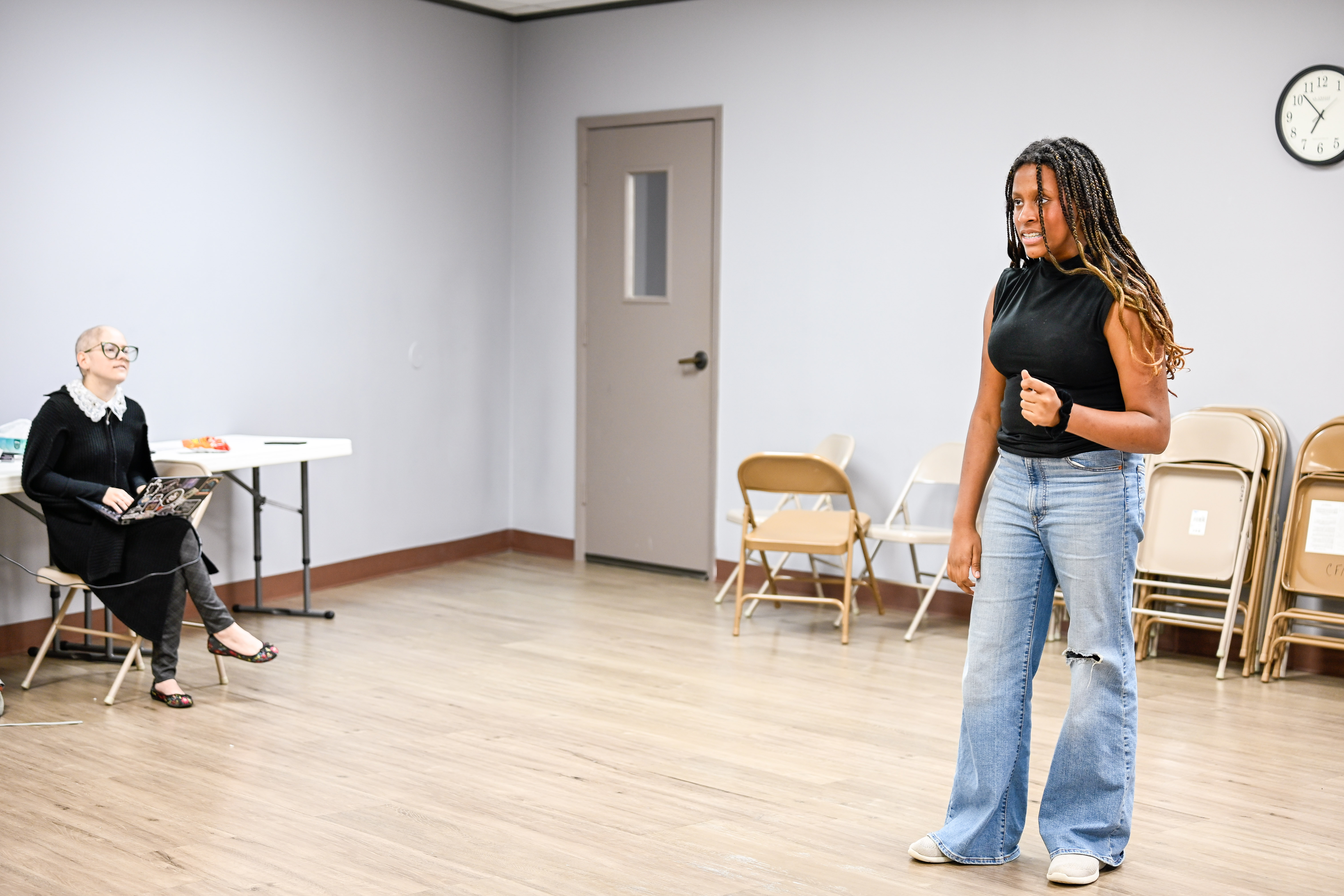
It can be tricky to do both things at once. Singing requires technique, and acting needs emotion. With simple steps, performers can begin to tie the two together so they flow. One way is by working on short scenes where a line leads into a song. This helps the student carry emotion from words into melody without a big pause.

Duets or paired scenes also help because performers must listen and respond in real time. They can’t simply practice their solo. They have to connect with someone else, building rhythm and timing with another person.

When voice lessons are part of the routine, students can bring tricky sections into class and get direct help. Teachers can point out where their tone and emotion don’t match or give tips for which vowel sounds need more shaping. These small pieces help to tighten the connection between song and script.

Preparing for the Stage with Confidence

Stepping onto a stage, even a small one, can feel a bit scary. Rehearsals help calm those nerves by creating space to get things right, then get them right again. That process builds habits that feel natural when it's time to perform.

Stage skills, like eye contact, clear diction, and standing comfortably, are just as important as knowing the lines. Younger students sometimes rush or forget to breathe. Regular practice helps slow things down so their body and mind work together.

Here are a few things that rehearsals prepare students for:

• Speaking and singing loudly enough to be heard without shouting

• Staying in character, even if a cue is missed

• Finding their spot and staying focused, especially in group numbers

Confidence comes in layers. Each time students rehearse or perform, they learn something new about what they’re capable of.

A Creative Path That Grows with You

Knowing how to mix clear singing with expressive acting can set students up for real growth. It’s not always easy at first, especially for those who feel more sure in one area than the other. As they continue to build one skill and then the next, performing begins to feel like second nature.

Each student finds their rhythm in a different way, and that’s expected. What matters is that the steps are steady and thoughtful. Programs that support both voice and acting skills open the door to new characters, more exciting roles, and stronger communication off the stage too.

When students feel seen and supported, they don’t just improve as performers, they begin to enjoy the entire process, and that’s where real confidence starts.

At Cy-Fair Music and Arts, we know that confidence grows when students feel supported in both their singing and acting and that consistent practice and encouragement make all the difference. When students enroll in our voice lessons, they gain the tools to express emotion with clarity, strength, and character. Our voice lessons are taught one-on-one in 30 and 60 minute sessions for students starting at age 7, so performers at different levels receive focused support that fits their needs. Our voice teachers have university training in music with a focus on voice, and many perform in concerts and recitals in the Houston area, giving students real examples of how strong singing and acting work together on stage. For families in Houston who want to help their child shine brighter in musical theatre, we would love to hear from you. Contact us to get started.


Subscribe to Our Blog