Why Summer Is the Perfect Time to Rethink “Not Creative”
Some kids say “I’m not creative” the second art comes up. They back away from crayons, rush through school projects, or hide their drawings. Many parents believe them and stop asking. But “creative” is not just about drawing a perfect portrait. It is about trying ideas, problem-solving, and seeing things in a new way.
During summer, school pressure eases up. No grades, no big tests, no homework waiting in a backpack. Kids have more room in their brains and their schedules. That makes summer a great time to try something that used to feel scary or frustrating, like art.
With the right summer art classes for kids, creativity can feel more like play and less like pressure. The goal is not to turn your child into an “art kid.” The goal is to open a small, friendly door so they can step inside, relax, and see what happens when they try.
Spotting the “I’m Not Creative” Kid in Your Home
Sometimes a child does not say “I’m not creative” out loud, but their habits tell the story. You may notice things like:
• Erasing the same spot over and over until the paper rips
• Hiding or trashing drawings before anyone can see them
• Rushing through projects just to “get it over with”
• Refusing school art assignments or asking someone else to do them
• Saying “I can’t draw” before they even pick up a pencil
Parents often carry beliefs that hold everyone back, like “If they were artistic, they would already love art,” or “They are more of a math or science kid, so art is not for them.” These ideas sound harmless, but they quietly lock doors.
Creativity actually supports every type of thinker. Logical and analytical kids use creativity when they:
• Break a big problem into smaller steps
• Try different ways to solve something hard
• Stick with a challenge, even when it is not working yet
• Look for patterns and connections in what they see
Art gives them a safe place to practice all of that, with color and texture instead of test scores.
How Art Classes Build Confidence in Reluctant Kids
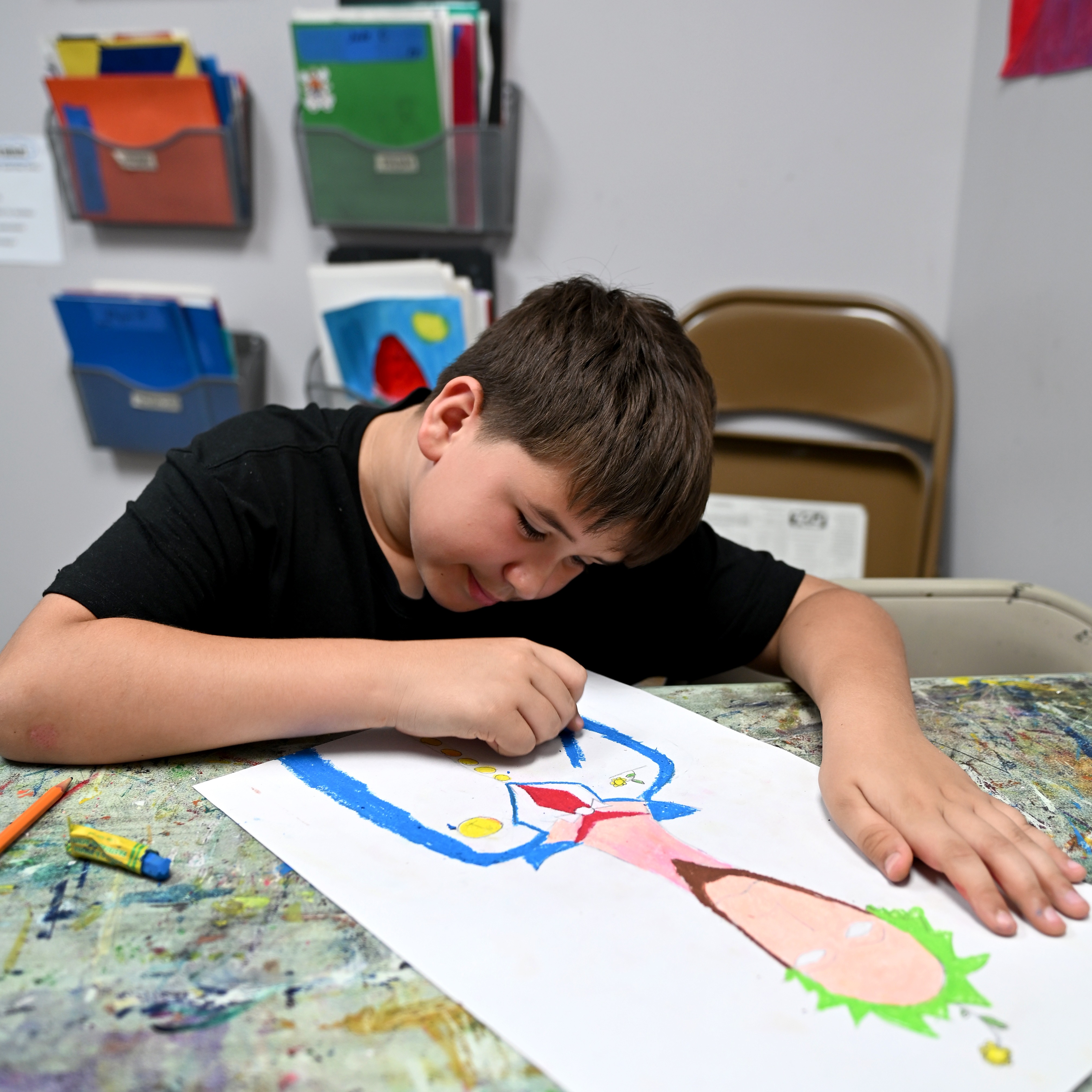
A good art class is not “Here is a blank page, now go be amazing.” For a nervous kid, that feels like standing on a stage with a spotlight on their face. Instead, strong kids’ classes use structure to create comfort.
Step-by-step projects give kids a plan. They hear or see:
• First we sketch simple shapes
• Then we add lines and details
• Next we add color, one layer at a time
• Finally, we add small touches that make it personal
Inside that structure, there are choices. They can pick colors, patterns, or subjects that feel safe and fun. That balance helps them relax. They know what to do, but they still get to make it their own.
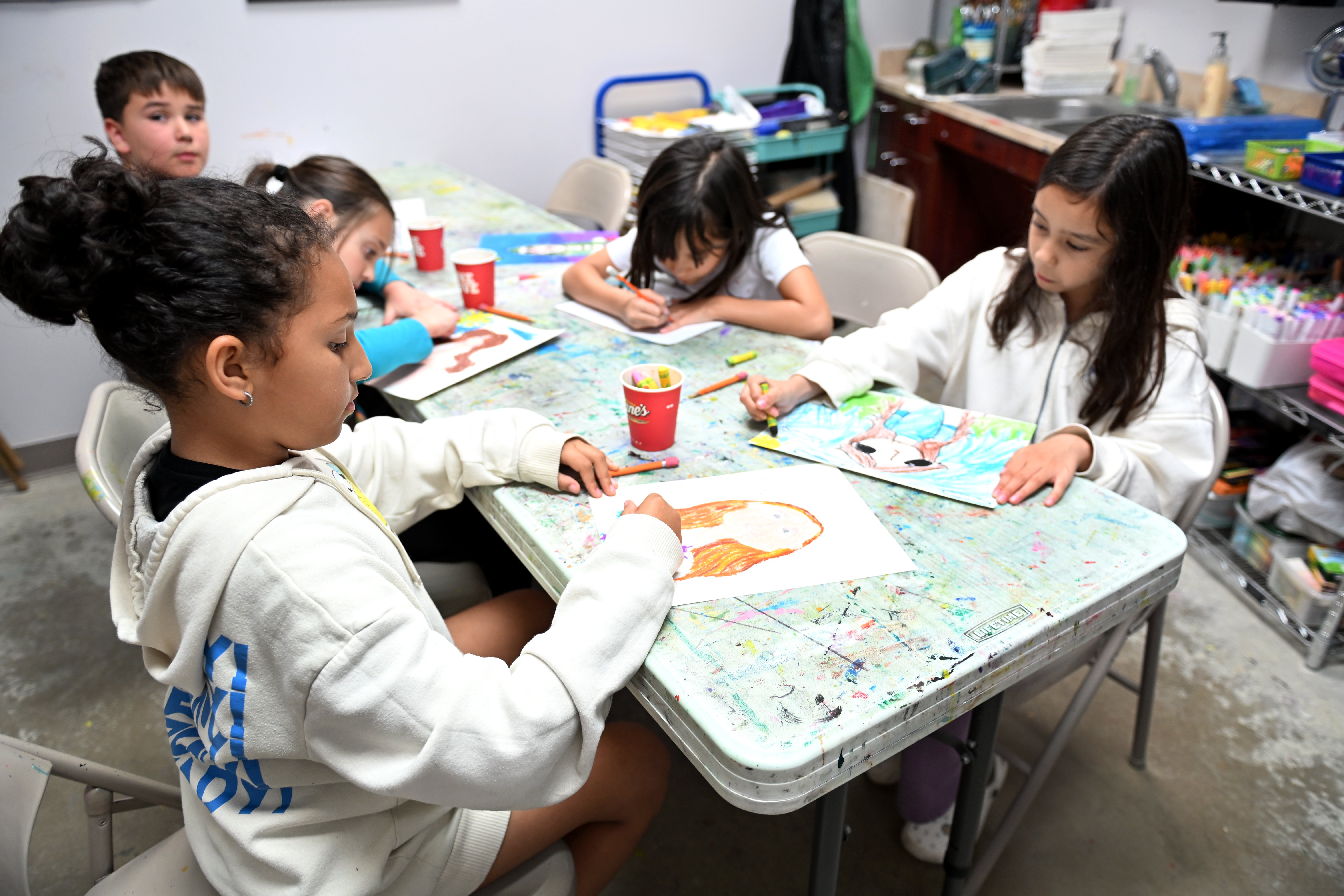
There are also big social-emotional benefits. In a supportive studio setting, kids learn how to:
• Take small risks, like trying a new tool or style
• Treat “mistakes” as part of the process
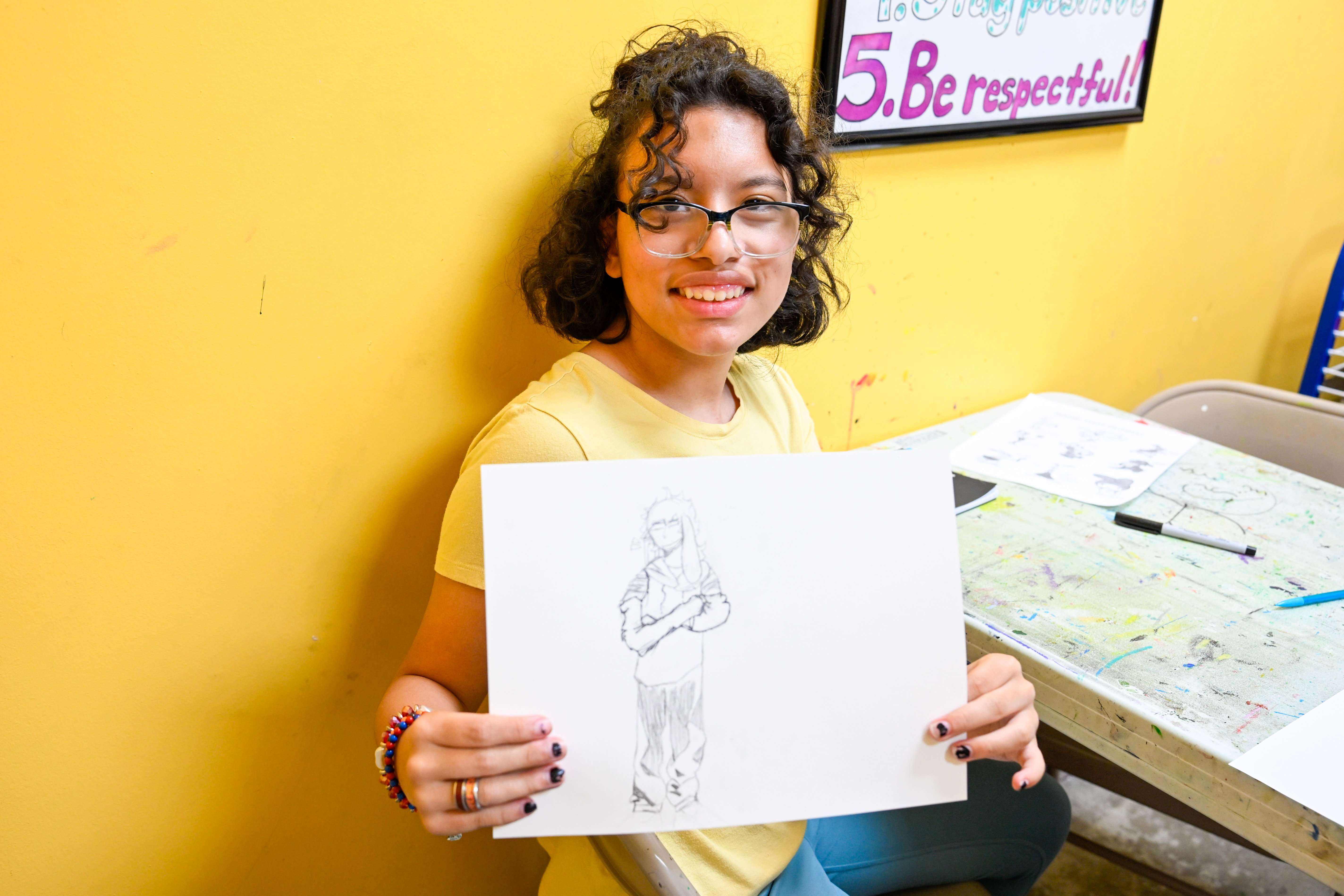
• Say “I’m proud of this” and mean it
• Cheer for each other’s work without comparing
Confidence grows in tiny moments: finishing a project they once called “too hard,” hearing a kind comment from a teacher, or walking past a wall and seeing their art displayed. Those little wins slowly rewrite “I’m not creative” into “I can do more than I thought.”
What to Look for in Summer Art Classes for Kids
If your child is hesitant, the class you choose matters. A few things can make a big difference:
• Small group sizes so teachers can notice shy or anxious kids
• Patient instructors who speak gently and give simple steps
• Age-appropriate projects and supplies, not too babyish and not too advanced
• A clear structure for class so kids know what to expect
Variety also helps. Some kids do not click with drawing, but they light up when they try:
• Painting with big brushes and bold color
• Mixed media, like collage or textured materials
• Simple sculpture or 3D projects
• Theatre or music activities that mix movement, voice, and visuals
When many art options live under one roof, kids can try different paths without starting over in a new space every time. A community-focused studio with a warm, low-pressure feel is especially helpful for “not creative” kids. Encouragement matters more than perfection, and effort is noticed just as much as skill.
Easy Ways to Ease a Hesitant Kid Into Art This Summer
You do not have to turn your kitchen into a full studio to help your child warm up to art. Small, no-pressure activities at home can make classes feel less scary later.
Try simple ideas like:
• Quick doodle games where you each add one line at a time
• Drawing together, side by side, while you talk about your day
• Sketching favorite characters, sports gear, or animals they love
• Limiting time so it feels like a short “art burst,” not a huge project
The language you use also matters. Instead of “Let’s see how good you are at drawing,” try:
• “Let’s experiment and see what happens.”
• “There is no right answer here.”
• “We are just playing with color right now.”
• “You do not have to finish this. We are just trying it.”
When it comes to formal art classes for kids, a short summer session or themed camp feels lighter than a long weekly commitment. Kids can try it, see how it feels, and then decide what they want to do next.
Inside a Summer Art Class at Cy-Fair Music and Arts
At Cy-Fair Music and Arts, a typical summer art class starts with a warm welcome. Kids come in, find their spot, and meet the project in clear, friendly language. The teacher shows simple examples, breaks the project into small steps, and checks in often.
For kids who feel unsure, instructors might:
• Offer two or three project choices so they feel some control
• Show alternate versions for kids who like to keep it simple
• Stand nearby for the first few minutes to help them get started
• Point out what is working well instead of what needs to change
Classes end with a positive wrap-up, like a short walk around the room to look at everyone’s work or a quick “share one thing you liked doing today.” That gentle routine helps kids feel seen and safe.
Because our Houston-area studio also offers music, acting, and musical theatre, kids can explore more than one kind of creativity in the same familiar place. A child who does not love drawing might discover they feel brave and happy on stage, or vice versa. It all counts as creativity, and it all builds confidence.
Make This the Summer Your Child Redefines Creativity
When a child says “I’m not creative,” they are usually trying to protect themselves from feeling judged or embarrassed. Summer gives you a chance to quietly change that story. With time, kind support, and the right art classes, they can learn that creativity is not about being the best. It is about trying, exploring, and surprising themselves.
At Cy-Fair Music and Arts, we see hesitant kids every summer who slowly lift their heads, relax their shoulders, and start to enjoy making things. One positive studio experience can shift how they see art, school, and even themselves for years to come.
Help Your Child Grow Confidence And Creativity Today
Give your child a fun, structured place to explore color, shape, and imagination with our engaging art classes for kids. At Cy-Fair Music and Arts, we design every lesson to help students build skills step by step while still having a great time. Reserve your child’s spot today so they can start creating, learning, and making new friends in a supportive studio environment.