4 min read

Decoding Drawing Classes Houston Parents Hear About From Friends

Drawing Classes

Why Parents Keep Hearing About These Drawing Classes

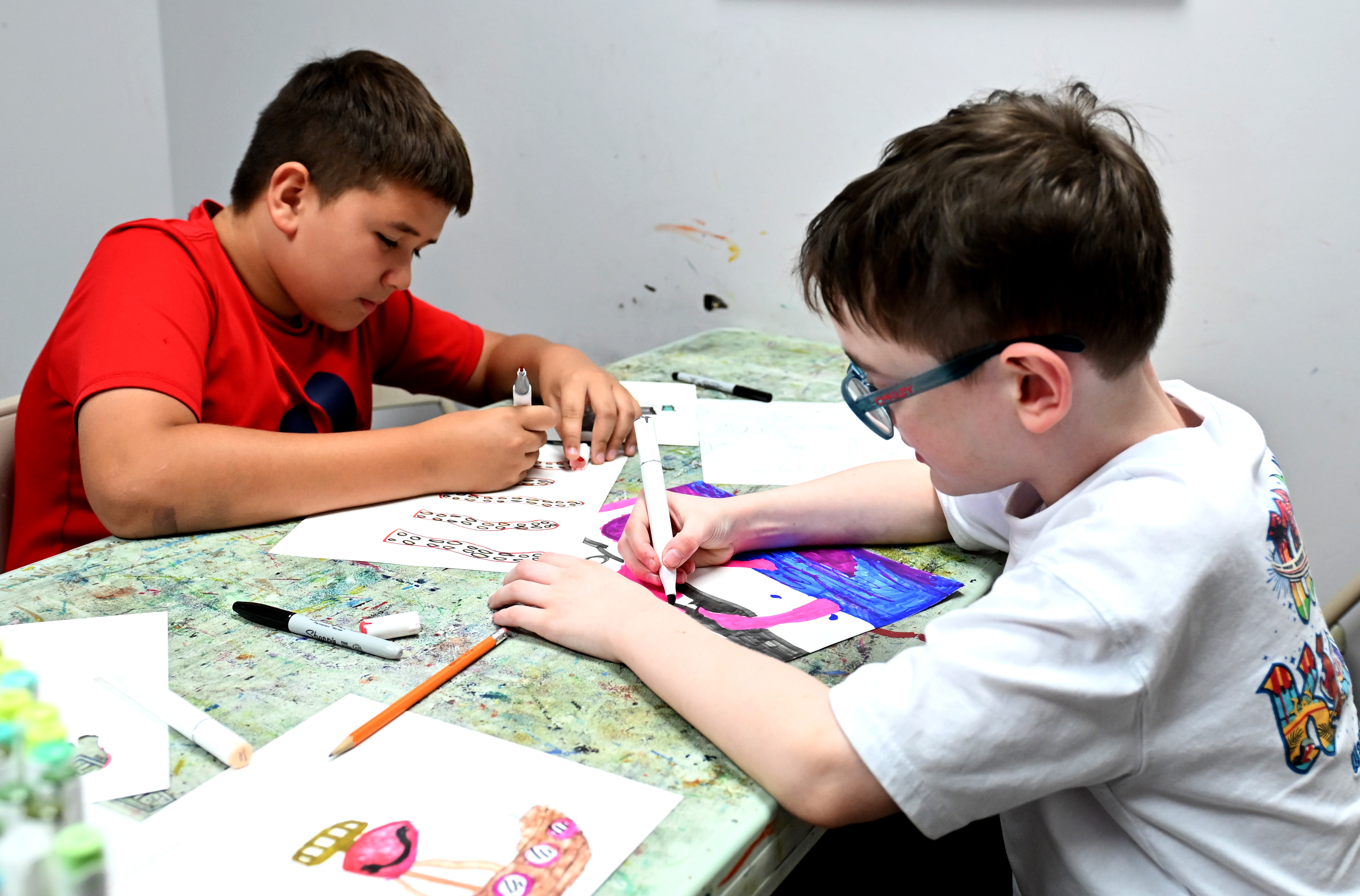
Parents in Houston talk. A lot. At school pickup, on the sidelines, in group texts, someone is always mentioning the latest drawing classes in Houston that their child loves. When you hear the same studio names over and over, it is natural to wonder what is actually going on in those classrooms.

The tricky part is that there are so many options. Community centers, after-school programs, private studios, even pop-up workshops at local events. The flyers and posts all sound good, but they start to blur together. How do you know which programs really help your child grow, and which are more like a quick craft hour?

In this post, we want to decode what parents are talking about when they recommend drawing classes, how to read between the lines on marketing language, what real learning looks like, and how our own art program in Cypress fits into the bigger Houston picture.

What Real Drawing Classes Look Like Today

Good drawing classes go way past coloring inside the lines. They teach the building blocks that let kids draw anything they can see or think up. A strong class usually covers ideas like:

  • Line, shape, and contour
  • Proportion and simple measuring tricks
  • Shading, value, and light
  • Perspective and depth
  • Basic composition and layout

These skills are taught step by step, not all at once. Kids might start with simple objects, then move into still life, animals, people, and more creative scenes as they grow.

Age really matters too. A quality program does not expect a 7-year-old and a 14-year-old to work the same way. For example:

  • Younger kids often use larger paper, softer pencils, and fun prompts.
  • Tweens might start adding more realistic shading and careful observation.
  • Teens can handle more detail work, longer projects, and personal style.

Real learning is not about a perfect picture every week. The best programs focus on process before perfection. There is room for:

  • Practice sketches that are meant to be messy
  • Trying new tools and techniques without pressure
  • Fixing mistakes instead of hiding them

When kids are allowed to experiment, their confidence grows along with their skill.

Sorting Through Drawing Classes in Houston Without Losing Your Mind

When you start researching, the language on websites and flyers can feel confusing. Here are a few common phrases and what they usually point to:

  • “Skills-based” often means focus on technique and fundamentals
  • “Portfolio-ready” usually targets serious teens preparing for future auditions
  • “Creative exploration” tends to be looser, more about fun and trying things

None of these are bad; they just fit different goals. What matters is matching the words to what happens in the room, not just how it sounds online.

As you compare options, watch for helpful green flags like:

  • Small to moderate class sizes so kids get feedback
  • Student artwork on walls or shared with families
  • A clear idea of what will be taught over time
  • Teachers who can explain why they teach a certain way

Red flags can include very crowded classes, no sign of student work, or every project looking identical with no room for personal ideas.

Think about your child too. Some kids do best in a relaxed, recreational setting where the main goal is fun and social time. Others really crave structure, clear steps, and visible progress. Neither path is wrong, but they feel very different week to week.

How Drawing Builds Confidence Far Beyond the Sketchbook

Drawing is not only about art skills. It can help with how kids feel, think, and connect with others.

On the emotional side, drawing gives kids a reason to slow down. Focusing on a sketch for 30 to 60 minutes helps them:

  • Take a break from screens
  • Work through big feelings quietly
  • Feel proud when they finish something with their own hands

In terms of academics and life skills, drawing touches a lot of things teachers care about too. Kids learn to:

  • Notice details and patterns
  • Break big tasks into smaller steps
  • Stick with a challenge longer than they thought they could

Those same skills show up when they read word problems, study for tests, or work on long-term projects.

In a group class, kids also grow socially. They learn to:

  • Share supplies and space
  • Give kind, specific compliments
  • Accept suggestions without feeling embarrassed

That gentle feedback loop can be powerful. Kids see that everyone is learning, no one is perfect, and effort really does make a difference.

Inside a Cy-Fair Music and Arts Drawing Class

So what happens in a typical drawing class with us in Cypress? A session often has a simple rhythm that helps kids feel comfortable:

First, there is a quick warm-up sketch, something light to get pencils moving. Then we move into a short mini-lesson, maybe on shading, using guidelines, or drawing from real life. After that, we guide students through a shared exercise, so they can see the new idea in action. Finally, they get independent time to apply it to their own drawing.

Our teaching style is a blend of structure and freedom. We care about technique like form, shading, and perspective, but we also want kids to keep their own style. That means:

  • We show clear steps, but kids choose subjects when possible
  • We correct gently and explain why, not just “do it this way”
  • We celebrate effort, not just the “best” drawing in the room

Because we are rooted in the local community, we see many kids grow from beginner-level into confident artists over several seasons. Classes are designed so both newer students and more advanced ones feel challenged but supported.

Planning Fall and Winter Art Time Around Busy Family Schedules

By November, most kids are settled into their school routines. Homework patterns are set, sports are in full swing, and the holiday plans are starting to fill the calendar. It can actually be a smart time to add a steady creative outlet like drawing.

Drawing classes give kids a calm, screen-free pocket in a busy week. Around the holidays, there is an extra bonus: many projects can turn into special gifts. Kids love turning their work into:

  • Handmade cards
  • Simple framed pieces for relatives
  • Fun decorations for family gatherings

The key is balance. One weekly class is often enough to see progress without adding stress. When you plan, think about:

  • Evenings when your child has the most energy
  • Travel dates and school events on the calendar
  • How much homework your child usually has on that day

Art should feel like a break, not another thing to conquer.

How to Confidently Choose the Right Class This Week

To wrap things up, here are a few simple questions you can ask any studio offering drawing classes in Houston:

  • What does a typical class look like from start to finish?
  • How many students are in each class?
  • What training or background do your art teachers have?
  • Do you follow a set curriculum or plan, and can you describe it?
  • How do you keep parents updated on progress?

If possible, take a try-before-you-commit approach. Ask about trial classes or placement help, especially if your child has some experience already. A short first step lets you see how your child connects with the teacher and the pace of the group, before you commit for a longer stretch.

When you are ready to explore more structured, encouraging art options, Cy-Fair Music and Arts offers drawing and art classes for kids, teens, and adults, with an emphasis on growth, creativity, and community.

Unlock Your Child’s Creative Confidence Today

If your child is ready to explore their imagination and build real art skills, we’re here to guide every step. At Cy-Fair Music and Arts, our nurturing teachers help students turn curiosity into confident, expressive artwork. Discover how our engaging drawing classes in Houston can fit your family’s schedule and goals. Enroll now to give your child a creative outlet that supports both artistic growth and lasting self-esteem.

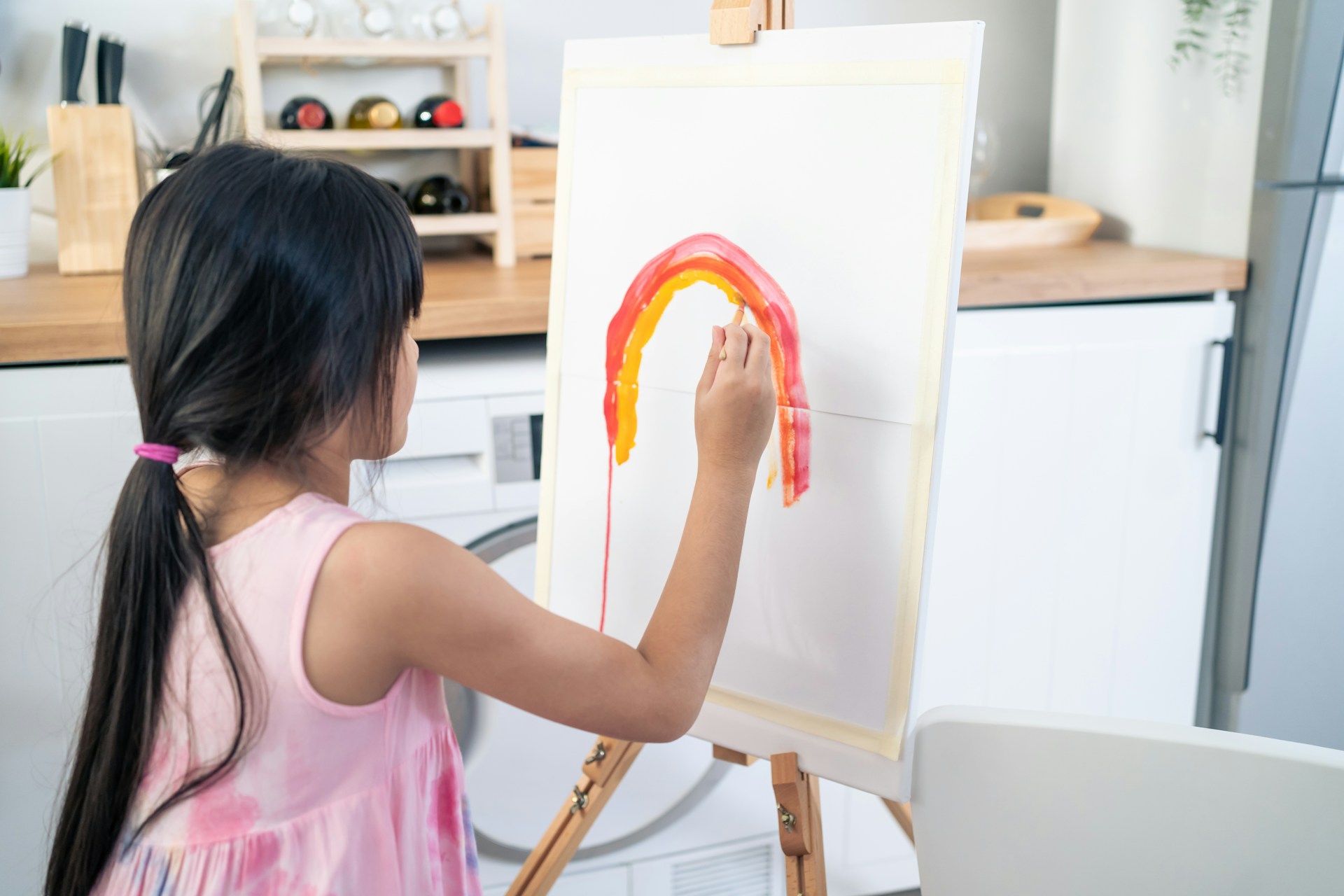
Tips for Choosing Between Drawing and Painting for Your Child

Tips for Choosing Between Drawing and Painting for Your Child

Learn how to spot creative patterns that guide your child toward drawing or painting. See how art classes for kids in Houston support their growth.

Read More
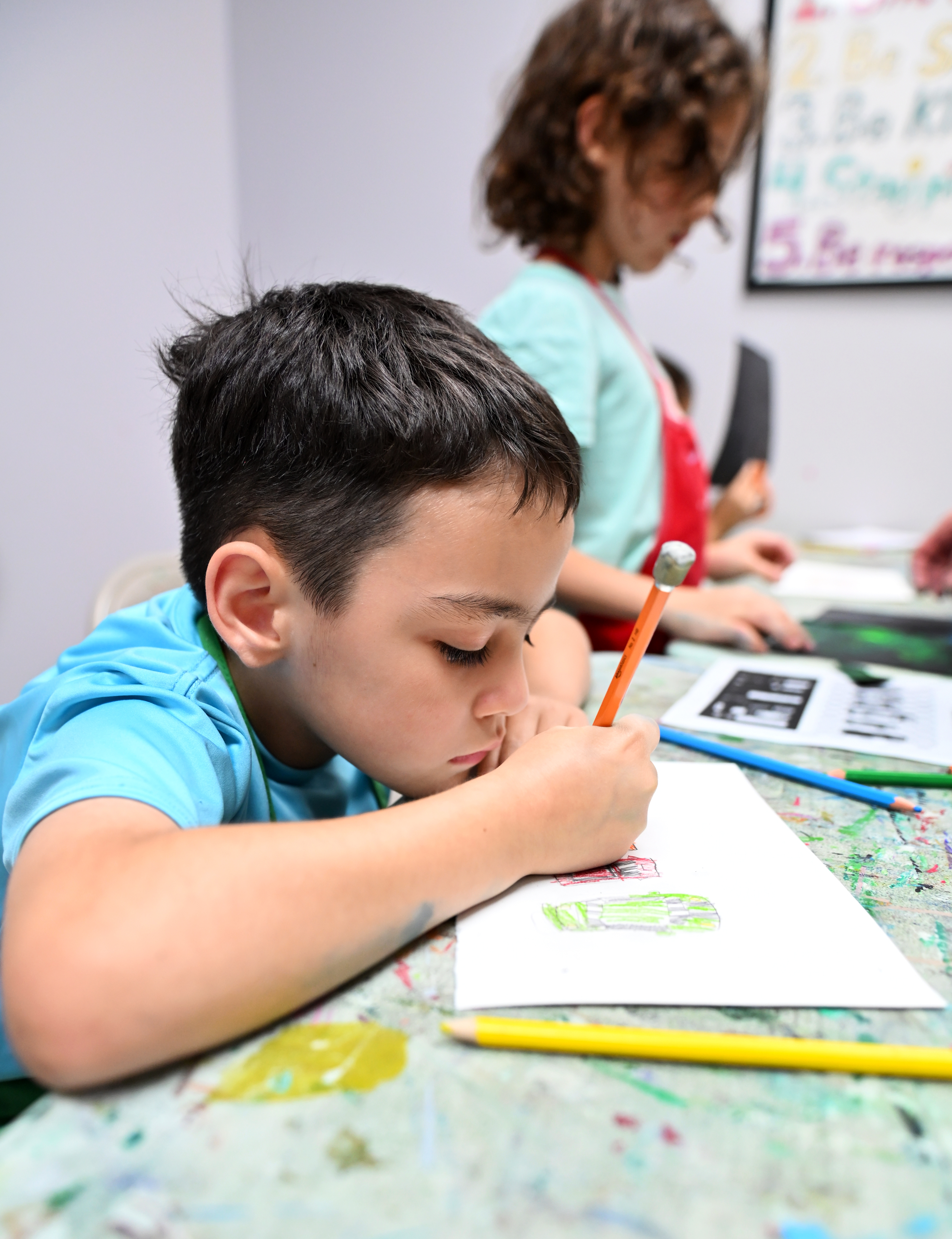
Unexpected Benefits of Drawing Classes for Houston Teens

Unexpected Benefits of Drawing Classes for Houston Teens

Discover confidence, focus, and creativity gains from drawing classes in Houston, plus tips for choosing the right class for your teen.
Read More
Inside Drawing Classes Houston Parents Overlook for STEM-Minded Kids

Inside Drawing Classes Houston Parents Overlook for STEM-Minded Kids

Discover why drawing classes in Houston build visual thinking, problem solving, and confidence for STEM-minded kids, plus tips for choosing the right...

Read More