4 min read

Everyday Math and Reading Skills Kids Build in Art Classes

Everyday Math and Reading Skills Kids Build in Art Classes

How Art Class Quietly Boosts School Skills

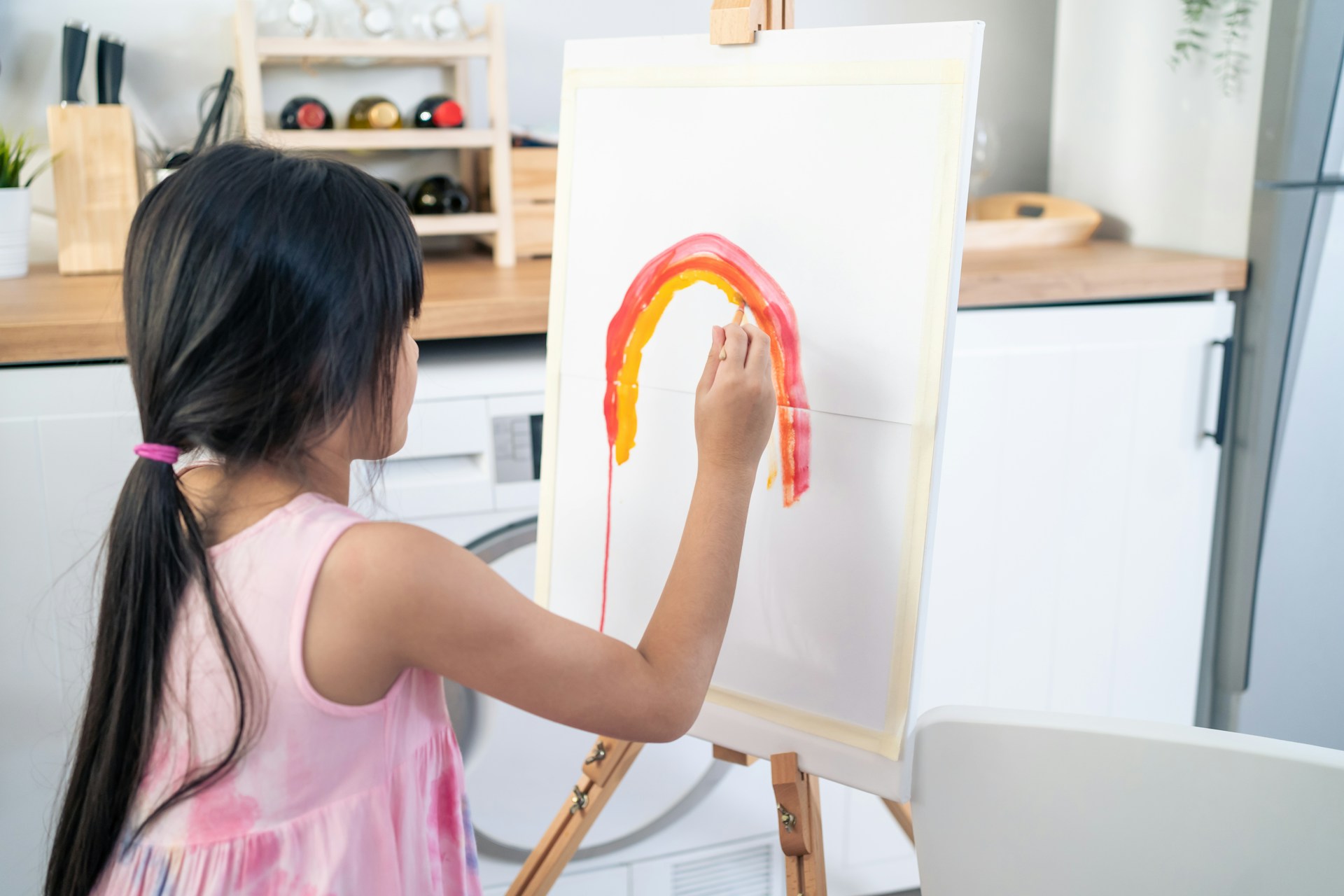
Art class can look like “just drawing,” but there is a lot more going on. When kids pick colors, sketch shapes, or plan a painting, their brains are working on math and reading skills they use every single day at school. The learning is there; it just feels fun instead of stressful.

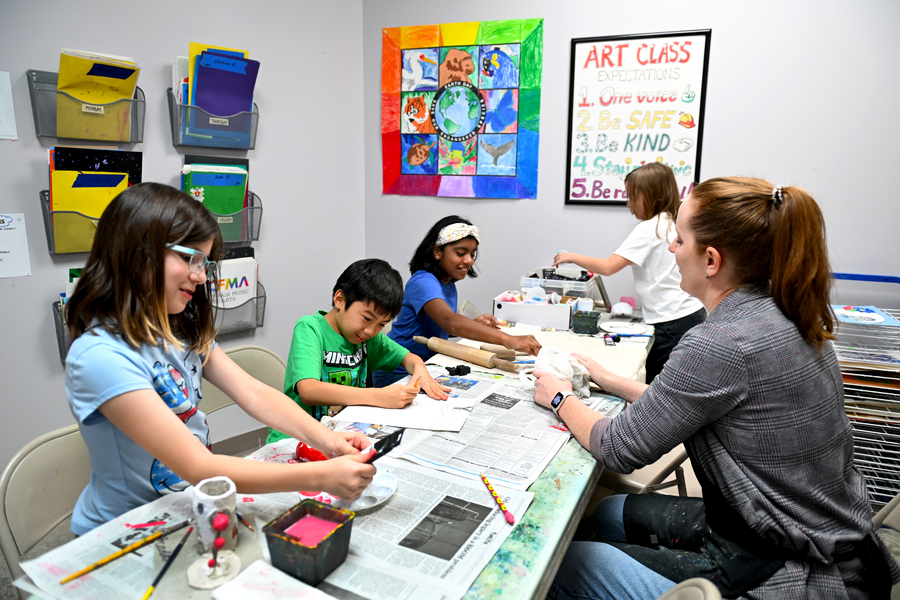
During the busy back-to-school season in Houston, many families want activities that support reading and math without feeling like extra homework. Art is a great way to do that. At our community school, we see how simple projects help kids practice counting, measuring, sequencing, and new vocabulary in a relaxed, creative space. Let’s look at how those everyday skills grow right at the art table.

Shapes, Patterns, and Fractions on the Art Table

Kids bump into geometry all the time in art class. When they draw a house, they mix squares, rectangles, triangles, and circles. When they plan where to put the sun or a tree, they are thinking about space, angles, and balance, even if they are not using those exact words.

In a typical class, children might:

  • Draw and name basic shapes

  • Talk about straight, curved, and zigzag lines

  • Notice symmetry in butterflies, faces, or letters

  • Compare sizes, like bigger and smaller, taller and shorter

Patterns show up too. Stripes on a shirt, polka dots on a sky, a repeating border around the edge of a page, or a colorful mandala, all of these help kids notice order and repetition. That is early algebra thinking. They start to see “if this comes next, what should follow after that?” which is the same kind of thinking they will use later in math.

Fractions and division sneak in when kids:

  • Share a ball of clay equally with a partner

  • Divide a paper into halves or quarters for a comic strip

  • Mix paint in “one half blue, one half yellow” to get green

  • Split a group of shapes into equal sets for a pattern

These moments connect to classroom ideas like parts and wholes, skip counting, and early multiplication. The best part is that it all feels low pressure. Children are focused on making something they care about, not on getting the “right” answer, so they are more willing to try, guess, and adjust.

Measuring, Estimating, and Planning Like a Pro

Art projects give kids a natural reason to measure things. A ruler is not just a math tool, it becomes a way to draw a basketball court, make a comic panel, or keep a character in proportion. Grids and light guide lines help them compare sizes, see what is too big or too small, and fix it.

In class, students often

  • Use rulers to draw borders or straight roads

  • Compare objects, like which brush is longer or shorter

  • Keep repeated shapes about the same size

  • Line up parts of a drawing so it looks “right”

Estimation shows up when they decide how much paint to squeeze out, how many pieces of tape they need, or how big a design should be so it fits on the page. They make a guess, test it, and adjust. That is real-world problem-solving.

Planning is another quiet skill builder. Before they start a big project, many teachers guide kids to:

  • Sketch tiny thumbnail drawings to try ideas quickly

  • Decide where the main subject should go on the page

  • Choose the order of steps, like draw, outline, then paint

  • Think about drying time and which parts to finish first

These habits connect directly to everyday life, like following a recipe, timing homework, or organizing a school project. At our school, we use kid-friendly language for math ideas, so children hear words like “estimate,” “center,” and “proportion” often, but the class still feels playful and creative.

Storytelling, Sequencing, and Vocabulary Through Art

Art is a kind of storytelling. When kids make a picture, they often choose a main character, a setting, and something that is happening. This picture “story” builds the same narrative skills they need for reading.

Sequencing in art is a lot like sequencing in a story. Kids learn that if they paint the background first, it is easier to add details later. If they draw lightly before outlining in marker, mistakes are easier to fix. This “first, next, last” thinking helps them understand the order of events in books and in their own writing.

Art class also gives a rich space for new words. Teachers and students talk about:

  • Textures, like rough, smooth, bumpy, or soft

  • Moods, like calm, excited, or stormy

  • Actions, like twist, blend, dab, and shade

  • Details, like tiny, bold, blurry, or sharp

When we look at famous artworks or students’ own pieces, we ask questions such as: What is the main idea of this picture? What details show that? How do you think this person feels? Why? Those questions match reading skills like main idea, supporting details, cause and effect, and character feelings.

For many shy or reluctant readers, it feels easier to talk about a picture than a page of text. Once they get used to sharing ideas about a drawing, reading and writing are less scary. They already know they have something to say.

Confidence for Back to School Reading and Math

Art class can be a big confidence booster. Finishing a project, trying a new material, or solving a “how do I fix this?” problem helps kids feel capable. That feeling does not stay in the art room. It follows them into the classroom.

Children who feel frustrated by worksheets may feel strong and proud in art. Here, they can see progress in front of them. A blank page slowly fills with color and detail. That success can lower anxiety around reading passages or tough math problems. They think, “I figured out my painting, maybe I can figure this out too.”

Late summer and early fall are a great time for this kind of gentle warm-up. While families in Houston are squeezing in the last bits of summer, steady art classes help kids practice:

  • Focusing on one task for a stretch of time

  • Sticking with a project, even when it gets tricky

  • Following multi-step directions without giving up

  • Cleaning up and organizing materials

There is also a strong social piece. Sharing artwork, giving kind feedback, and explaining ideas to classmates build speaking and presentation skills. When kids can talk clearly about their art, they are also getting ready to give book reports, explain math answers, and participate in class discussions.

Make This School Year Stronger with Creative Learning

Art is not “extra.” It is a powerful partner to reading and math, especially as school starts again. Every time a child sketches, paints, or builds, they are also counting, comparing, planning, and finding words for their ideas.

At Cy-Fair Music and Arts, we offer art classes in Houston for children, teens, and adults, with options to fit different ages, comfort levels, and busy family schedules. No special talent is needed, just curiosity and a willingness to try. Our caring teachers meet students where they are, both academically and creatively, and help them grow at a pace that feels good.

When kids have a place where their imagination is welcome and their efforts are noticed, reading and math do not feel quite so heavy. One art project at a time, they build skills for school and confidence for life.

Discover How Creative Confidence Starts Here

If you are ready to help your child grow in creativity, focus, and self-expression, Cy-Fair Music and Arts is here to guide the journey. Explore our art classes in Houston to find the schedule and level that fit your family best. We will walk you through simple enrollment options so you can get started with a class that feels both welcoming and inspiring.

Tips for Choosing Between Drawing and Painting for Your Child

1 min read

Tips for Choosing Between Drawing and Painting for Your Child

Every child expresses creativity in a different way. Some love to sketch detailed outlines while others gravitate toward bold swashes of color....

Read More
Guide to Getting Started with Oil Painting for Beginners in Houston

1 min read

Guide to Getting Started with Oil Painting for Beginners in Houston

Trying something new like oil painting can feel exciting, especially if you’ve never done it before. There’s something relaxing about putting color...

Read More
How to Help Kids Build Drawing Confidence at Home

1 min read

How to Help Kids Build Drawing Confidence at Home

Help your child feel proud of their art with these easy, at-home strategies that support growth between kids drawing classes in Houston, Texas.

Read More