1 min read
Summer Practice Plans for Houston Music Students: Goals, Repertoire, Tracking
Keep Kids Playing All Summer with a Simple Practice Plan Summer in Houston shakes up every routine. Kids stay up later, there are camps, road trips,...

4 min read
CFMA
:
August 12, 2026
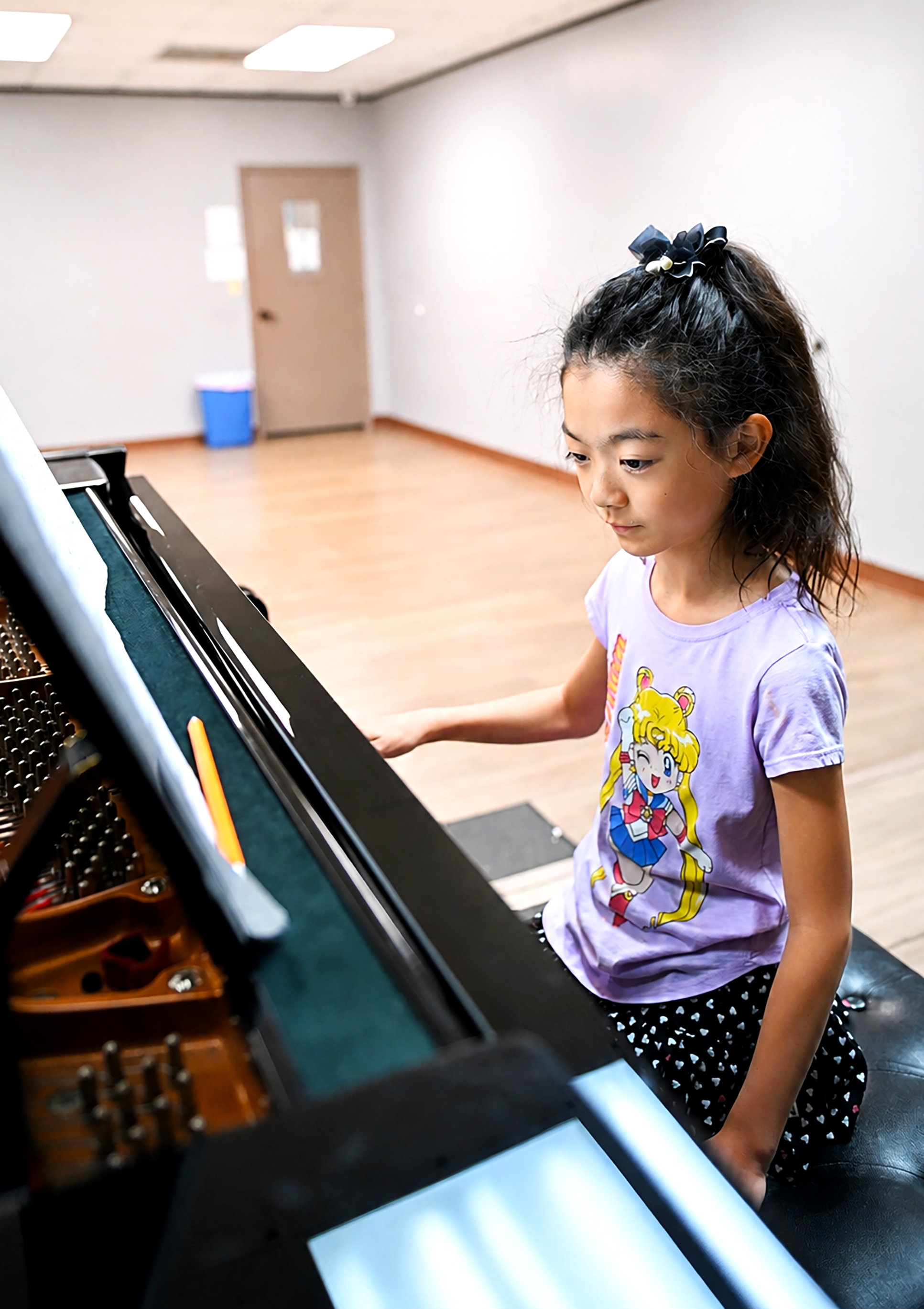
A good home practice space can turn music lessons in Houston into real, steady progress, not just something that happens once a week. When your child has a clear, comfortable spot to play, it is easier for them to focus, remember what the teacher said, and feel proud of what they are doing.
The environment around your child affects consistency, focus, and motivation. If practice always happens in the same place, at about the same time, it starts to feel normal, like brushing teeth or packing a backpack. The good news is you do not need a big house, a soundproof studio, or fancy gear. With a simple corner, a few smart choices, and some support from your child’s teacher, you can build a space that really supports their music lessons in Houston.
The best practice spot is usually not hidden far away from everyone. For many kids, a corner of the living room or game room works better than a back bedroom. They feel connected to the family, and you can still keep an eye on posture, focus, and time without hovering.
Think about how your home sounds during the day. In Houston, we hear AC units, yard crews, and traffic at different times. Try to pick a place and time that avoids the loudest moments, like:
Right next to the laundry room during a wash cycle
Directly under a TV that is always on in the evenings
Next to a window where leaf blowers and lawn mowers are common at certain hours
Also think about your family’s back to school schedule. Many families find it easier to practice:
Right after getting home, before homework starts
Right after a snack, as a “reset” before the evening rush
On weekend mornings, before sports and errands begin
Choose a space that is easy to reach from the front door or kitchen so practice feels automatic, not like a big trip across the house.
You do not need a studio full of gadgets. A few basics, set up the right way, can make practice more comfortable and less frustrating for your child.
Start with comfort and posture. Helpful basics include:
A sturdy, correctly sized chair or bench, not a deep couch or soft bed
Proper instrument height so shoulders stay relaxed and wrists are not bent in a strange way
Good lighting so your child is not squinting at their music in the early evening
Next, think about sound and safety. For many families, that means:
A music stand set at eye level, so your child is not looking down at a table
Safe cable paths for keyboards, amps, and other electric gear so no one trips
A simple storage spot like a stand or rack so instruments are protected but still easy to grab
A few small extras can save a lot of time and keep practice smooth:
A metronome or app for steady rhythm
A tuner for string or wind instruments
Pencils and highlighters for marking notes from the teacher
A small bin or shelf for books and sheet music so you are not hunting things down every day
Once you have the spot and the basics, shape the space so it feels like a music corner, not just another cluttered area. Try to keep screens, random toys, and piles of papers away from the practice zone. Even a small rug can act like a “boundary” that says, “Inside this space, we are focused on music.”
Use the walls to keep your child motivated and remind them why their music lessons in Houston matter. You might hang:
A simple practice chart with checkboxes or stickers
Recital or performance programs
A list of songs they want to learn in the future
Let your child help make the corner feel like theirs. Some easy ideas:
Choosing a fun poster or color for a small container
Picking out a special pencil cup just for music
Adding one small item that makes them smile, like a tiny figure on the stand
When kids have a say in how the space looks, they feel more ownership and pride, and they are more likely to want to spend time there.
A strong practice habit is about rhythm, not perfection. Think about your child’s natural energy. Some kids do best before homework, when their brain is still in “school mode.” Others need a break and do better after dinner, when they can relax into music for the evening.
You can keep things simple by using a basic structure:
A short warm-up, like scales or a review song
Review of last week’s piece or assignment
A small section of new music or a challenge activity
A timer can also help. Instead of saying “Practice a long time,” try “Let us do 10 focused minutes, then a quick stretch, then 5 more.” During busy seasons, like project weeks, sports tournaments, or holiday events, stay flexible. You might:
Switch to two short sessions instead of one longer one
Shorten the total time but still touch the instrument daily
Use very focused “micro-practices,” like playing just one tricky line a few times
The goal is to keep the habit going so music still feels like part of everyday life, even when the calendar is full.
Your child’s teacher is one of your best tools for building a great home practice space. Ask questions about:
Chair height, bench distance, and where the music stand should be
How your child’s hands, arms, and body should look while playing
The best way to keep books, notebooks, and instruments arranged
If you use phones or tablets during practice, ask about teacher-recommended apps for metronomes, tuners, and backing tracks. When you record short practice clips, try to place the device so the teacher can clearly see hand position and posture. This makes feedback during lessons much more helpful.
Teachers who give music lessons in Houston also understand local school calendars, traffic patterns, and the seasons when families are more stretched. They can help you plan realistic practice expectations around tests, sports seasons, and holidays, so you are not trying to do everything at once.
You can set up a simple practice corner in one weekend. A quick checklist might look like this:
Choose a low-distraction corner in a shared space
Add a sturdy chair or bench and a music stand
Set up safe power and storage for the instrument
Gather music books, pencils, and a small bin or shelf
Add one or two fun, personal touches with your child
Make it feel special by having a family “grand opening.” Pick a start date for your new practice routine, let your child play a short piece or even a few notes, and talk together about the first month’s goals. Then keep open communication with your child’s teacher so the home setup and the studio lessons work together. With a thoughtful space and consistent routine, your child’s music lessons in Houston can turn into daily, confidence-building wins right at home.
If you or your child is ready to grow skills, confidence, and creativity, we are here to guide every step. At Cy-Fair Music and Arts, our experienced instructors tailor each lesson to your goals so you can make real progress and enjoy the process. Explore our music lessons in Houston to find the right program and schedule for your family. Reach out today so we can help you choose the best path to begin.
1 min read
Keep Kids Playing All Summer with a Simple Practice Plan Summer in Houston shakes up every routine. Kids stay up later, there are camps, road trips,...
1 min read
Some kids are naturally outgoing. Others need a little extra help finding their voice, especially when it comes to speaking in front of a group....
1 min read
Why Summer Is the Perfect Time to Rethink “Not Creative” Some kids say “I’m not creative” the second art comes up. They back away from crayons, rush...